Why Thoughtful Design Is Good Business
Design is often misunderstood in commercial work. People assume it is an aesthetic layer, a way to make a space look appealing once the practical decisions have been made. But thoughtful design is not decorative. It is structural. It shapes how a business functions, how employees move and how customers experience the space.
A well-designed TI begins by observing how the business actually works. Every organization, no matter how small, has a rhythm. There are busy hours and quiet pockets. There are patterns in how staff circulate, how clients arrive, how materials or products move from one place to another. These patterns form the backbone of the design. When the layout supports them, the space feels natural. When it contradicts them, the space becomes an obstacle.
Thoughtful design improves the bottom line by reducing friction. A room placed in the right location eliminates unnecessary walking. A reception area aligned with the flow of arrivals reduces confusion. Equipment placed where it is needed most saves time. Over the course of a year, these small efficiencies accumulate into real gains. Staff are less tired. Processes speed up. Mistakes decrease. Productivity rises in ways that are quiet but significant.
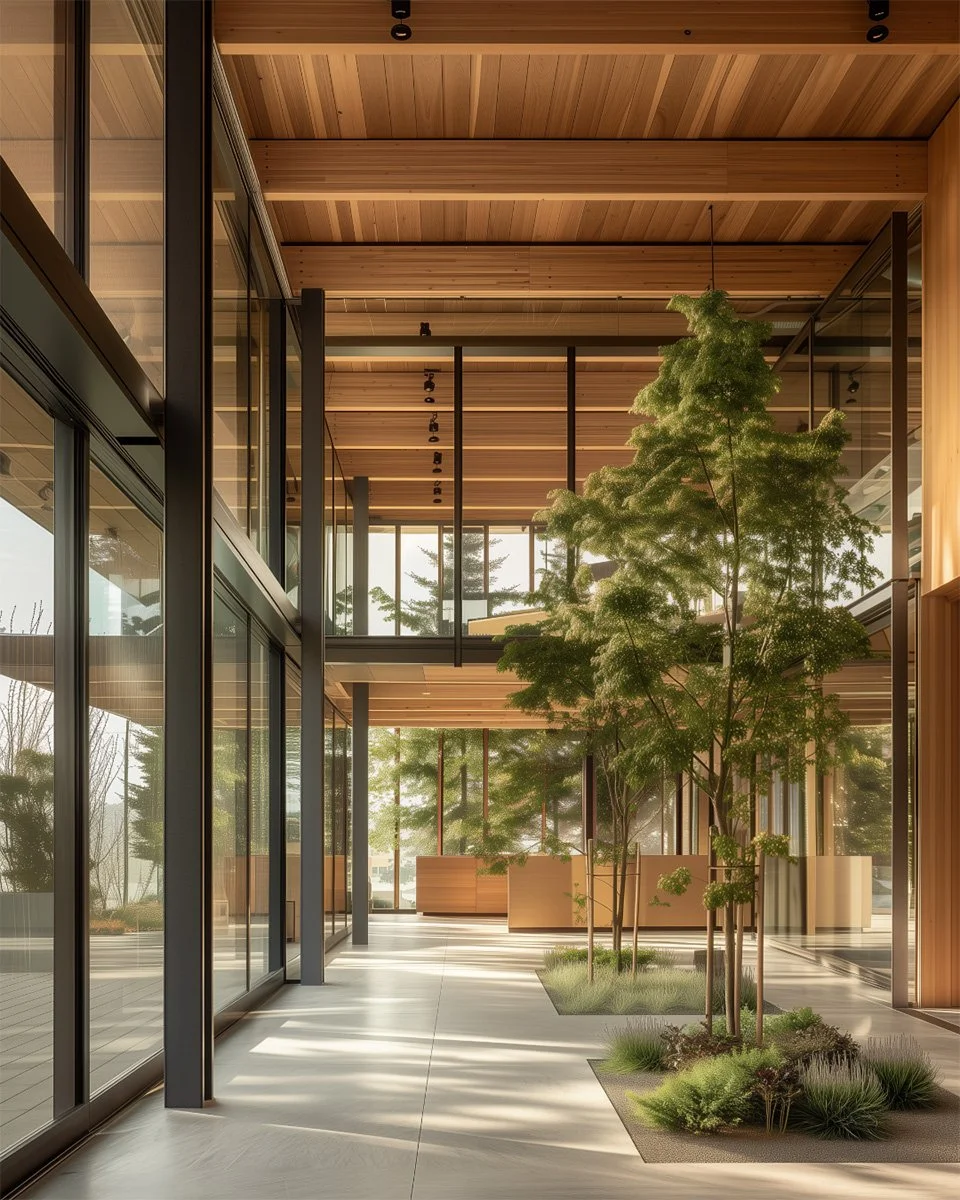
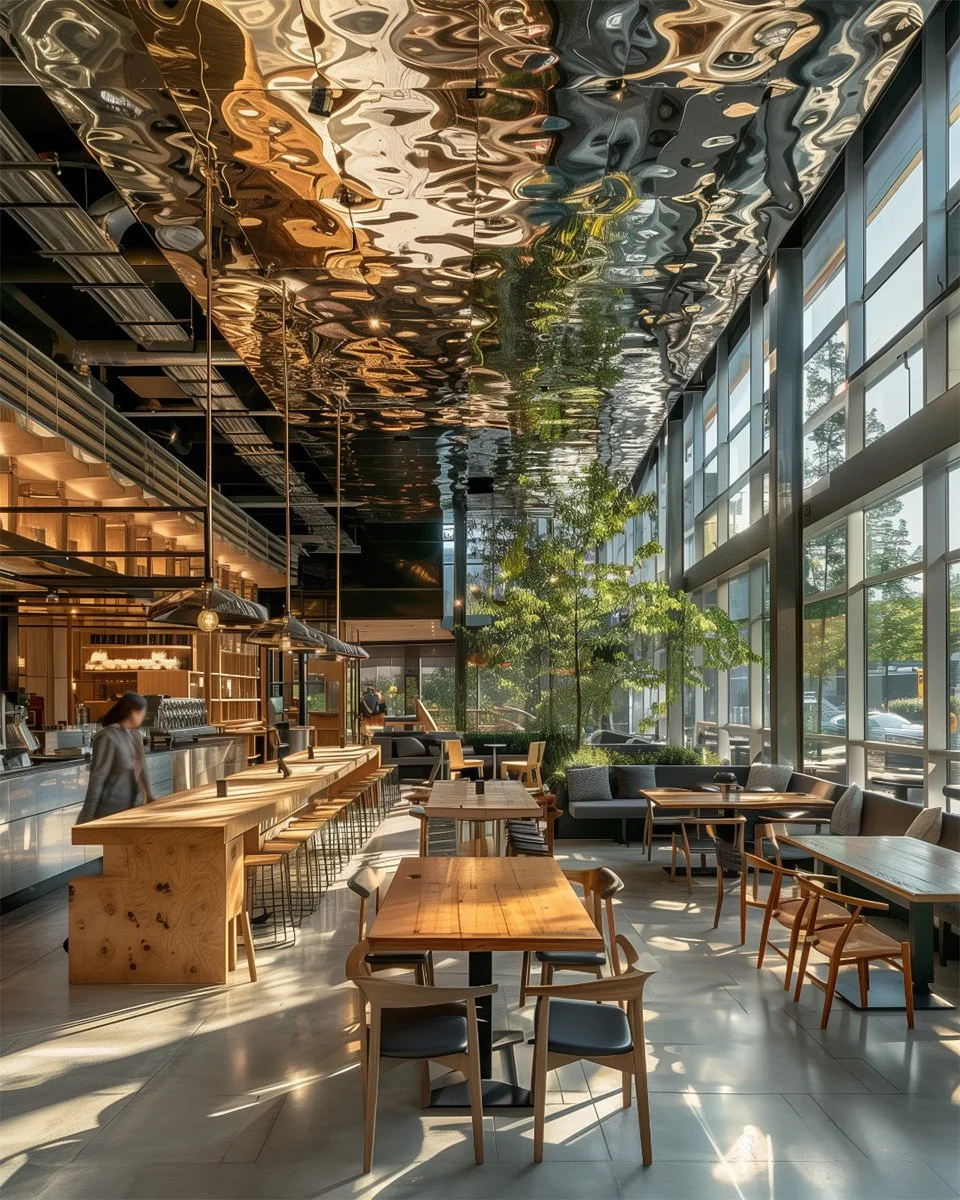
Lighting has a similar impact. Brightness affects mood, attention and decision-making. Natural light improves energy and reduces fatigue. Evenly lit spaces feel more spacious. Customers stay longer in calm, clear environments. Employees feel more grounded when glare is minimized and light levels are balanced. These benefits are not abstract. They show up in customer satisfaction and employee retention.
Acoustics are another hidden force. Bad acoustics create stress. They make communication harder. They increase the cognitive load of simple interactions. A small investment in sound control turns chaotic environments into calm ones. This is especially important for clinics, therapy offices, coworking spaces and any environment where people need to concentrate or feel at ease.
Circulation shapes experience. The way people enter, move and exit determines whether a space feels intuitive or confusing. When circulation is clear, people relax. They feel guided without being told what to do. Customers spend more time browsing. Clients feel more taken care of. Staff can anticipate movement rather than reacting to it.
A thoughtful TI also increases the value of the lease. Landlords recognize well-designed improvements because they make the space more rentable long-term. A space with a coherent layout, solid infrastructure and a clear logic ages better than one assembled quickly. Future tenants notice these qualities. They can sense when a space has been planned rather than patched together.
There is also an emotional aspect. People respond to environments instinctively. A space that feels calm, intentional and well-lit changes how they behave. Small decisions in design have an outsized effect on perception. A clear entry sequence sets the tone. A quiet waiting area signals care. Balanced proportions create trust. These moments influence how customers see the business, even if they cannot articulate why.
The common belief is that design makes a project more expensive. The reality is that design prevents expensive mistakes. It clarifies decisions early. It removes uncertainty. It reduces change orders. It keeps construction aligned with the actual needs of the business. In the long run, a TI that is designed with intention costs less because it functions better.
Good design does not mean luxury materials or elaborate gestures. It means paying attention to what the business needs, how people move and how the environment supports work. It means understanding the building as an operational tool, not just a visual backdrop. When the space supports the work, the business becomes more resilient. It adapts more easily. It grows more naturally.
In commercial architecture, the simplest spaces often work the hardest. They feel calm because the decisions behind them were thoughtful. They feel effortless because the effort was in the planning. Thoughtful design is good business because it makes the everyday experience smoother for everyone who enters. It reduces friction, increases clarity and creates the conditions for success.
A business grows not only by what it offers but by the environment in which those offerings are made. When that environment is shaped with care, the business gains something rare: a space that strengthens its work instead of limiting it.