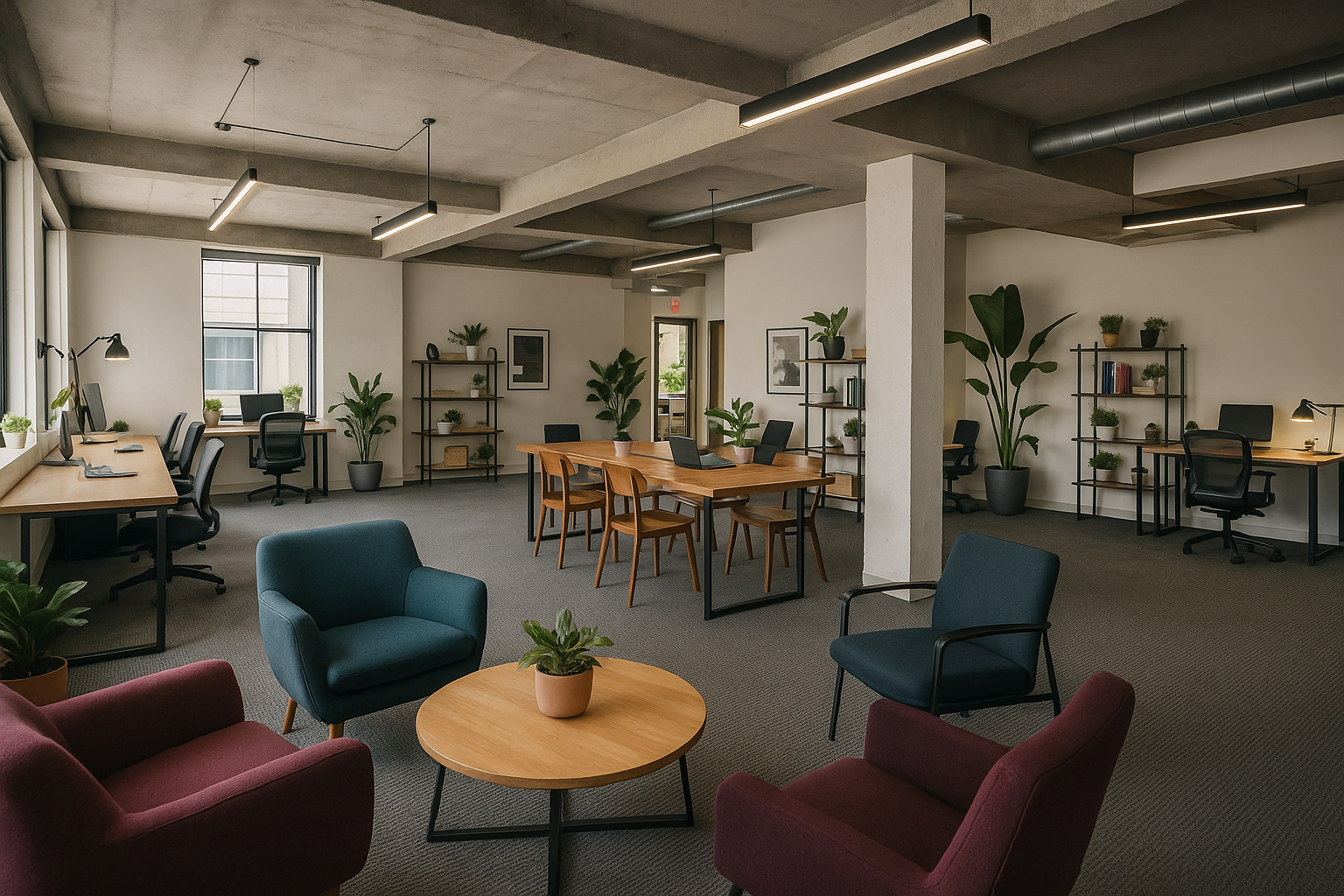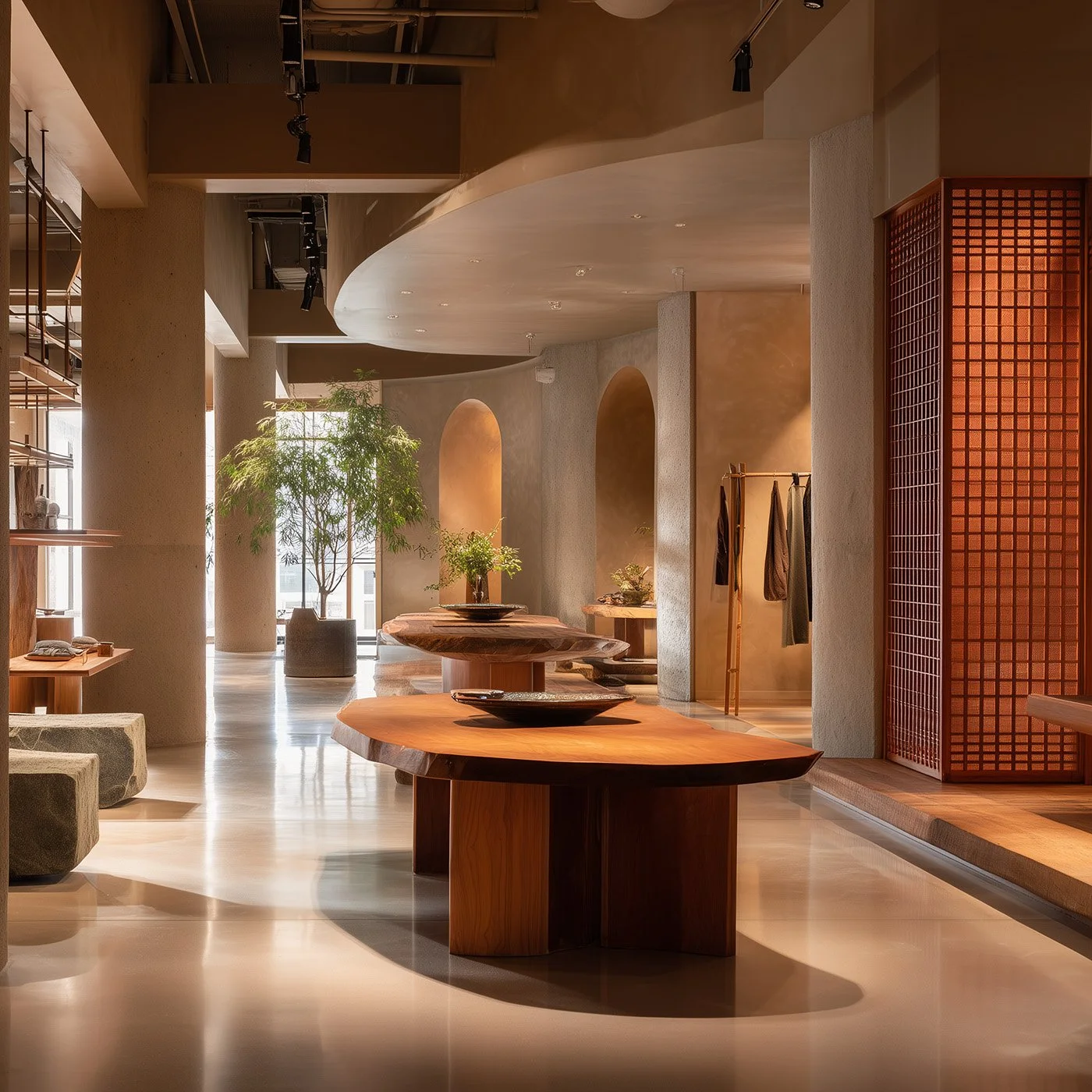
What Really Happens Before Permits
Turning an Idea Into a Space
Most people think the permitting clock starts when drawings go to the city.
But long before that, the space is already changing.
Design is finding a shape.
Your brand is trying to land in the room.
Code is quietly drawing a fence around what is possible.
This is what really happens before permits, when the project is still soft enough to move.
1. The brand steps into the room
Before anything is drawn, there is a question.
What does this place feel like when someone walks in from the rain?
In these early meetings we talk about
who you are serving
what your brand feels like in real life, not just on a logo
how you want people to move, pause, gather, and leave
how quiet or how loud the room should be
We are not just placing equipment.
We are deciding what kind of day your space gives someone.
2. Flow and operations find their path
Then we look at how the space actually works when it is busy.
For restaurants and cafes
order points and pickup
kitchen lines and prep
dishwashing loops
staff circulation that does not collide with customers
For clinics and studios
arrival and check-in
waiting or lounge spaces
treatment or work rooms
staff-only paths and storage
Good flow is invisible.
Bad flow is something customers feel but cannot describe.
3. Visibility and frontage
A business lives or dies on whether people can see it and understand it in seconds.
So we study
the view from across the street
sightlines from the sidewalk or parking lot
how the entry reads from a moving car
where signage can go, and what the lease allows
how much of the activity inside should be visible to passersby
If there’s an aesthetic that matches your online presence
Sometimes a small shift in the entry, the counter position, or the window layout changes how many people decide to walk in.
Those decisions are made during the design process, not during construction.
4. Code sets the boundaries
While we are talking about brand and flow, code is quietly doing its work.
We review
occupancy classification
occupant load and how many people you can seat or serve
plumbing fixture counts
accessible routes and clearances
fire separation and any required ratings
This is the fence around the project.
Inside it, the design can move.
5. Systems get tested against your idea
After that, we check whether the building can support the story you are trying to tell.
Mechanical, electrical, plumbing
can the space support a hood and grease duct
is there enough panel capacity for your equipment
is there a place for makeup air to enter and leave
can plumbing reach where you need sinks and fixtures
does the sprinkler system still work with the new layout
Sometimes the design adjusts gently around existing systems.
Sometimes the systems must be rebuilt to match the design.
6. Landlord approvals shape the edges
In many Washington leases, the landlord must review your drawings before they ever see the city.
They care about
what happens at the storefront
penetrations through the structure and roof
how you tie into existing systems
signage and lighting on the exterior
the level of finish and how it affects their building long term
Some are flexible partners.
Some are strict.
Both will influence what you can actually build.
7. GC pre-pricing brings reality into the room
While drawings are still evolving, we bring a contractor in to walk the space.
They help identify
items that will drive cost
structural work that looked simple on paper
existing conditions that might cause delays
smarter ways to phase or build the work
Pre-pricing is not about shaving everything down.
It is about aligning scope, cost, and schedule so you are not surprised later.
8. The permit set finally takes shape
Only after all of this does the permit set really begin.
We assemble
floor plans and reflected ceiling plans
code plans and life safety diagrams
mechanical and plumbing information
details that show how the work will be built
By the time drawings go to the city, they are not just technical documents.
They are the distilled result of your brand, your operations, your budget, your landlord, your building, and the rules of the jurisdiction.
Why this early phase matters
If you rush this stage, the city becomes your design partner in the worst way.
They will push back where layout, code, and systems do not align.
If you give this phase the right attention, permits become a review, not a redesign.
The pre-permit work is where we protect your schedule, your budget, and the feeling of the place you are trying to create.