Quiet Design for Dentistry
Dental clinics face a unique challenge. People do not arrive relaxed. They come with tension, anticipation and often a trace of fear. The environment has to work harder to counter this. It must provide clarity without coldness, cleanliness without sterility and efficiency without losing warmth. When the design is thoughtful, people feel calmer before they sit in the chair.
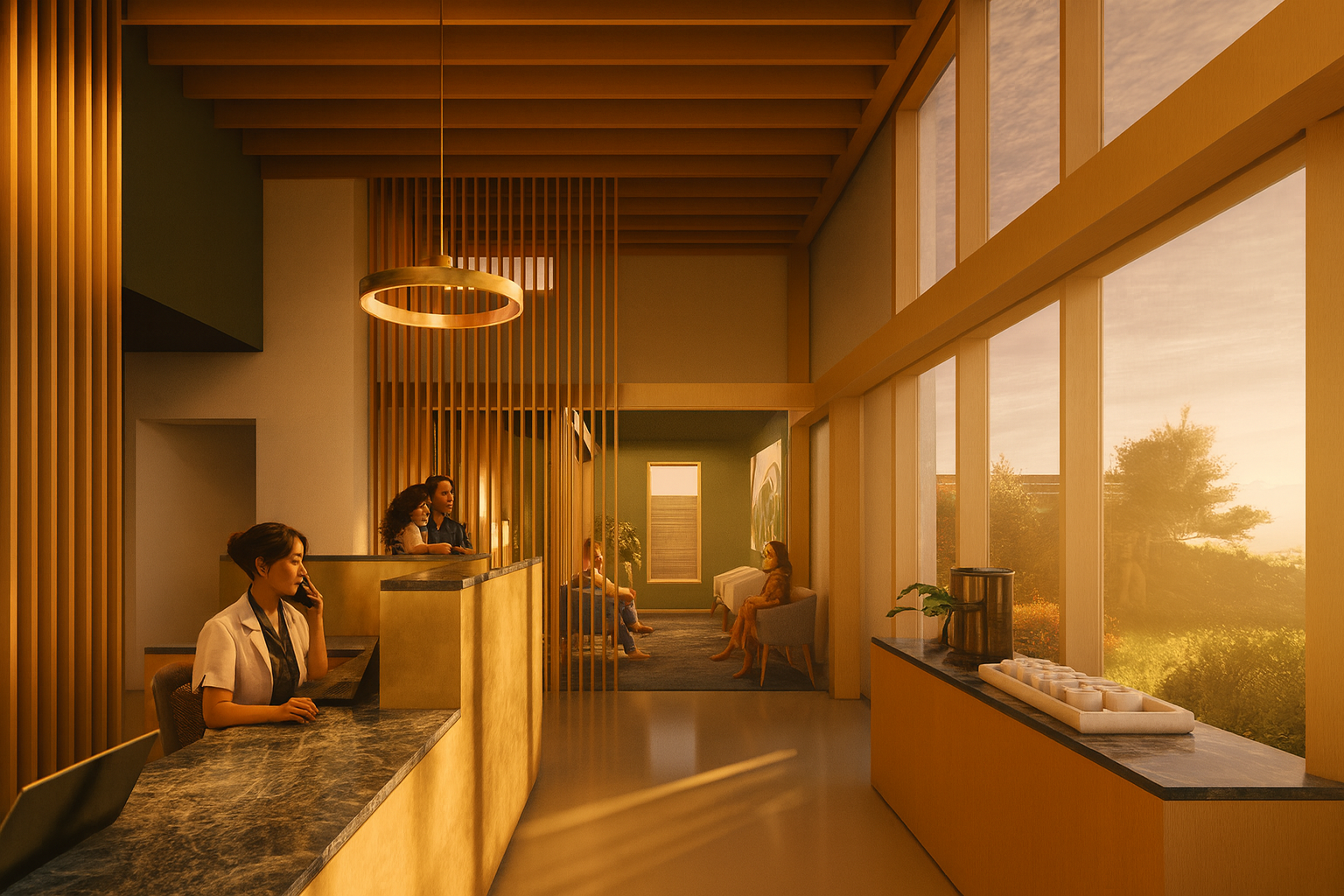
The experience begins at reception. This is the first moment when the clinic can shift the emotional tone. Too much brightness can feel clinical. Too much white can feel severe. A balanced palette, soft lighting and clear lines of sight help people settle. Reception is not simply a check-in point. It is where trust begins.
Circulation is the next step. Dental clinics often suffer from corridors that feel narrow and rooms that feel too exposed. A well-planned clinic uses circulation to guide people gently. Hallways should feel wide enough to breathe. Doors should provide privacy without shutting out natural light. The spaces between rooms matter as much as the rooms themselves.
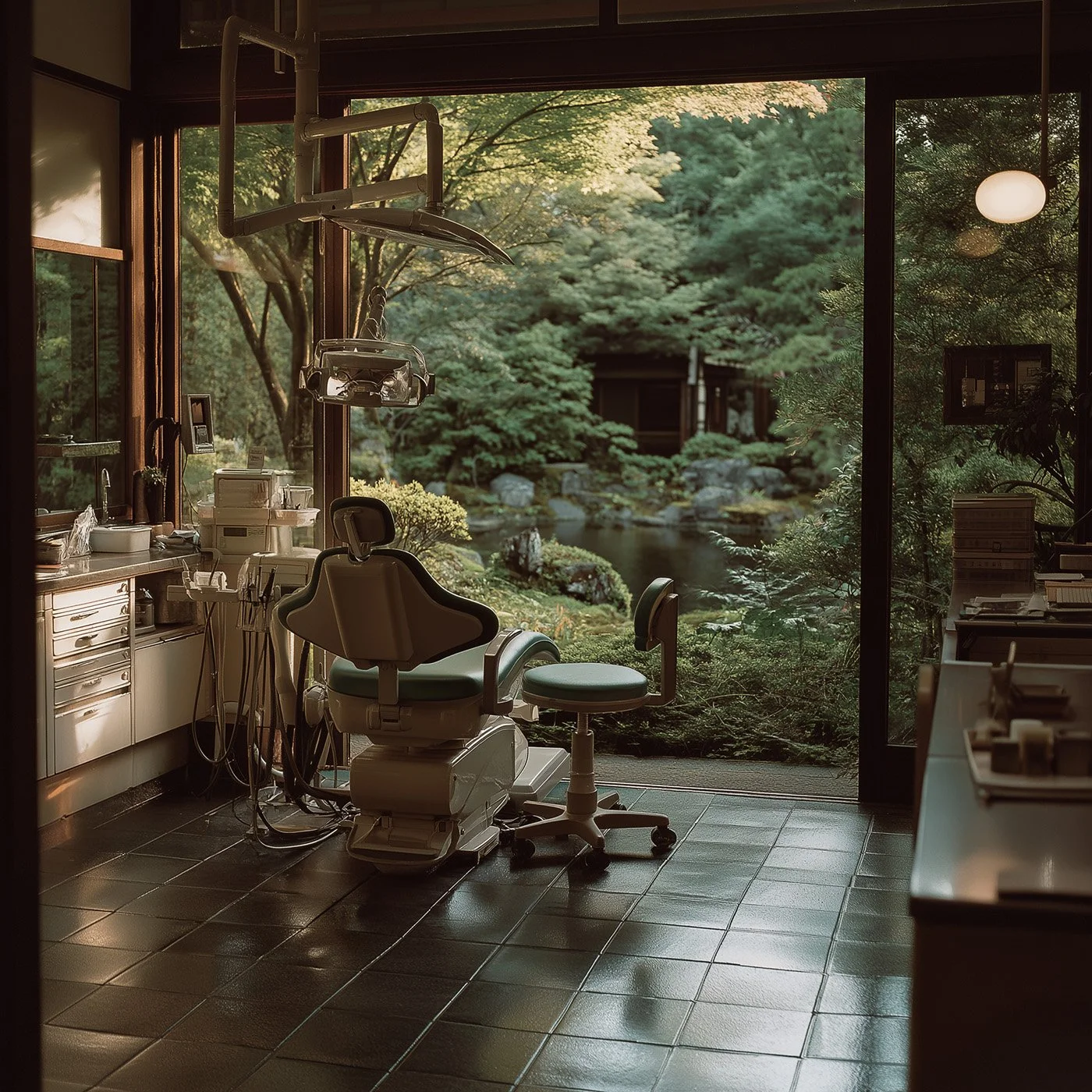
Operatory rooms must balance technical requirements with human comfort. Dental equipment can feel intimidating. The design should soften the visual field wherever possible. Natural light helps. Even a high clerestory window can change the emotional temperature of the room. Views of trees, sky or even a muted horizon can shift focus away from the instruments.
Acoustic privacy is essential. The sounds of equipment can raise anxiety. Good acoustic planning absorbs these sounds and keeps them from traveling between rooms. A quieter clinic feels more humane.
Material choices matter deeply. Durable surfaces are necessary, but they do not need to feel medical. Wood accents, textured wall finishes, warm floors and subtle color can create a sense of care. Materials that age well, that respond to light gently, that feel natural to the touch — these create a grounding effect. They make the clinic feel like a place designed for people, not procedures.
Lighting should avoid harsh contrast. Even illumination reduces stress. Task lighting can be precise, but ambient lighting should be gentle. Patients spend time looking at the ceiling. This surface should not feel neglected or overly bright. A carefully considered ceiling can transform the entire atmosphere.
Efficiency is part of the design too. Staff workflows shape the daily rhythm of the clinic. When equipment and storage are placed intuitively, the space feels organized. When circulation lines are clear, staff move without interruption. Patients feel this indirectly. A clinic with steady, unhurried movement feels competent. It conveys calm.
There is also the question of identity. Dental clinics often struggle with sameness. They rely on standardized layouts that prioritize equipment over experience. But every clinic has a personality. The architecture should reveal it quietly. A thoughtful detail. A subtle material transition. A moment of natural light. These elements give the clinic a sense of place rather than making it feel interchangeable with a dozen others.
The goal is not to hide the clinical nature of dentistry. It is to integrate it with a sense of care. Cleanliness and calm should work together. Technical precision should feel balanced by spatial softness. When this balance is right, the environment becomes an ally. Patients relax. Staff feel grounded. The clinic supports the work rather than competing with it.
A dental clinic that feels calm is not a luxury. It is a tool. It shapes how people experience their visit and how they remember it. Thoughtful design creates an atmosphere where care feels personal and steady rather than mechanical. In a field where many people arrive anxious, this difference matters.
Healing begins with trust. And trust begins with a space that understands what people need, even before they say it.