Rethinking Scale for Nonprofits
A building for a nonprofit often begins with a sense of possibility. It feels like a chance to show progress, to create stability, to give staff and community something tangible. But a building is never only a symbol. It becomes part of the daily rhythm of the organization. It carries weight, both seen and unseen. For nonprofits, which move through shifting budgets, unpredictable grants and work that asks for more patience than most people imagine, the wise choice is rarely about building big. It is about building with intention. Sometimes the right answer is to wait. Other times, a small new building or a careful renovation is exactly what the work needs. What matters is alignment, not scale.
Underbuilding is a form of discipline. It means creating only as much space as the organization can truly use and sustain. It acts as a buffer against change. Funding rises and falls. A board can feel bold one season and cautious the next. A single grant can reshape the entire program. In this landscape, space is not neutral. It becomes part of the emotional and financial structure that everyone carries.
When a building grows beyond what the organization needs, it begins to feel hollow. Rooms sit empty. Hallways lose their meaning. Staff start managing space instead of managing the work. A right-sized building feels different. It feels alive. It holds the organization closely and reflects its real activity. When a nonprofit truly needs new construction, modest scale often creates dignity. The building expands only as far as the mission naturally extends.
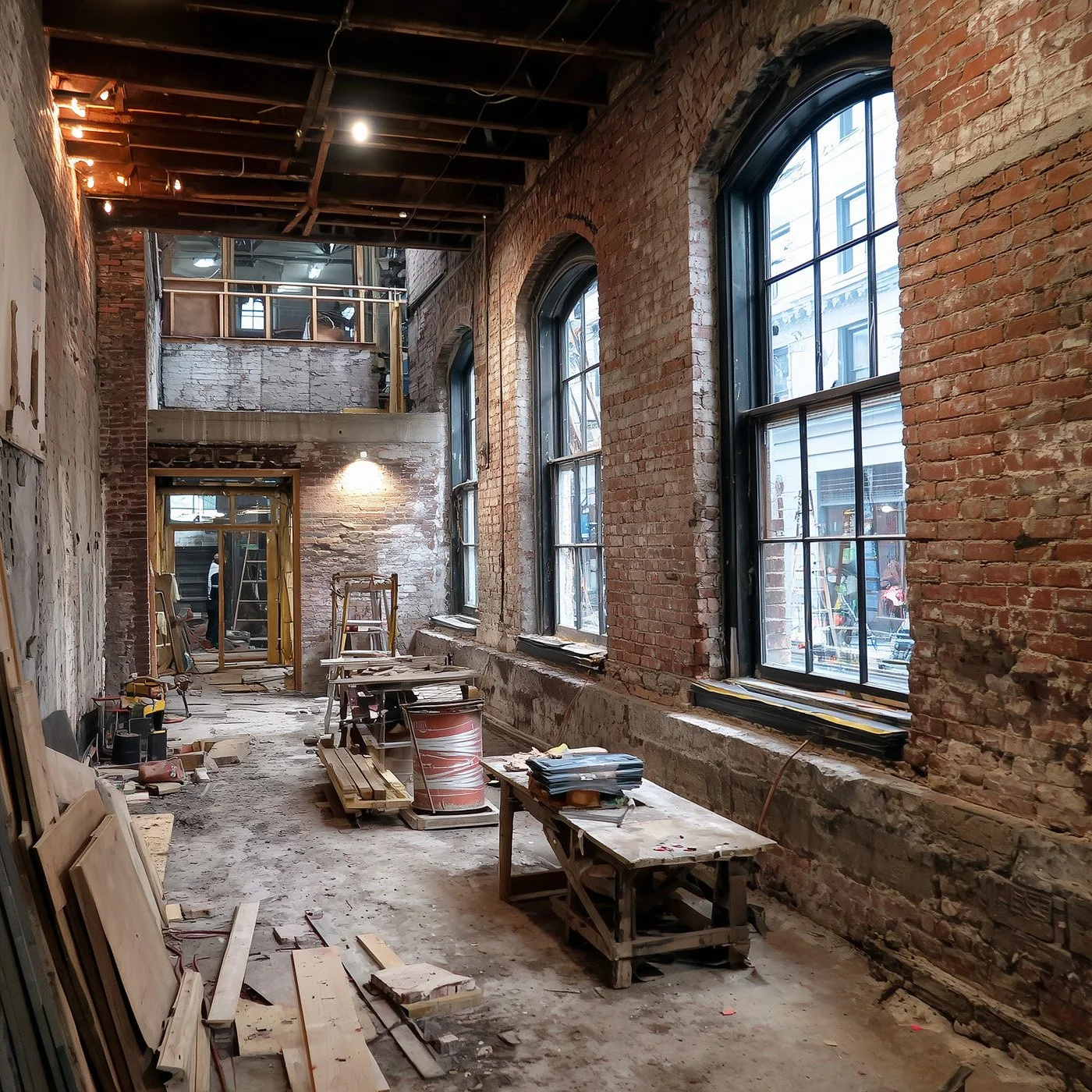
Sometimes the most strategic choice is to stay still. A thoughtful tenant improvement can accomplish as much as a ground-up project. Rearranging rooms can reduce strain on staff. Hybrid schedules can ease pressure on office space. Remote work can change what is necessary altogether. New partnerships can take weight off the building. In these moments, the design team becomes a guide, helping the organization understand its patterns before committing to anything permanent.
But when a new building is needed, the same clarity applies. A small, well-designed structure can restore energy, give a neighborhood a gathering point, or express identity without excess. When scale fits the work, people feel steadier the moment they step inside.
This is also personal. Staff in nonprofits absorb uncertainty that sits far outside their job descriptions. They respond to crises that arrive without warning. They support communities who need steadiness above all. A building should lighten this burden, not add to it. When space is clear and fully used, it reduces the invisible labor that staff perform every day.
Boards and donors feel a different kind of weight. They worry about optics. They worry about committing to something that might appear excessive. They worry about leaving behind a building that is too expensive for a future board to maintain. A modest, intentional project, whether new or renovated, is easier to defend. It signals care. It reassures donors that resources are being held with precision.
A compact building also allows for more deliberate design. Light can be shaped. Circulation becomes calm. Materials can be chosen for durability and warmth. In nonprofit settings, where people often arrive under strain, atmosphere matters. A space that is warm, simple and manageable has a quiet therapeutic effect. It reminds people that someone has been paying attention.
Space has its own mood. A building that fits the organization creates steadiness. It gives people a sense that the work is grounded. A building that overreaches creates tension. It reflects a hope that does not match the present. Nonprofits do not need that kind of tension. They need buildings that extend the mission without overshadowing it.
Before anything is drawn, the important questions are simple. Which parts of the work happen every day. Which programs drift in and out. How many people gather at once. What spaces help staff focus. What spaces create pressure. How the building would feel if it were larger. How it would feel if it were smaller. What it would mean to grow slowly instead of quickly.
When these questions are answered honestly, the building becomes clearer. It becomes a place that supports the mission instead of redefining it. It becomes adaptable in the face of new funding cycles, new leadership and new community needs. It becomes part of the organization’s resilience rather than part of its vulnerability.
Underbuilding is not small thinking. It is clear thinking. It allows the organization to remain steady through change. It gives donors confidence. It gives staff clarity. And whether the solution is a tenant improvement, a renovation or a carefully scaled new building, the goal is the same. Create space that feels right today and will still feel right many years from now.
When a nonprofit chooses to build only what it truly needs, it chooses strength over scale. It creates space that can hold the mission without overshadowing it. It creates room for the work to breathe and room for the future to unfold at its own pace.