Letting Go: How Buildings Really Get Made
Architecture is often described as the work of a single vision, but that is never how buildings are actually made. A finished building is the result of dozens of people, each with their own knowledge, mistakes, instincts, and pressures. If the first part of making architecture is learning what a building wants, the second part is learning how to let go of the idea that you control everything.
An architect draws the first lines, but the builder decides how the concrete cures. The structural engineer shapes the skeleton. The mechanical engineer tells you what air needs to do. The city tells you what is allowed. The owner tells you what they hope the building becomes. The lender tells you the shape of the budget. A project manager keeps the rhythm. A superintendent keeps the sequence. A framer, somewhere on site, makes a small adjustment with a saw that improves the building in a way no drawing ever predicted.
You begin to understand that architecture is not control. Architecture is choreography.
Design-build, CM/GC, integrated project delivery, design-bid-build. These are just different ways of describing how risk moves between people. They matter, but they are not the heart of the work. What matters is how well the team trusts one another. Whether people are honest when something is wrong. Whether they speak up early. Whether they hide information or share it. A project with a good delivery method but a fractured team will fail. A project with a modest delivery method but a cohesive team will find its way.
Letting go does not mean losing authorship. It means recognizing that the building becomes stronger when you leave room for others to contribute. Sometimes a contractor offers a detail that makes the assembly cleaner. Sometimes a client notices a moment of light you missed. Sometimes a fabricator suggests a joint that improves both cost and clarity. If you hold the design too tightly, the building cannot breathe. If you grip the vision too hard, it stops growing.
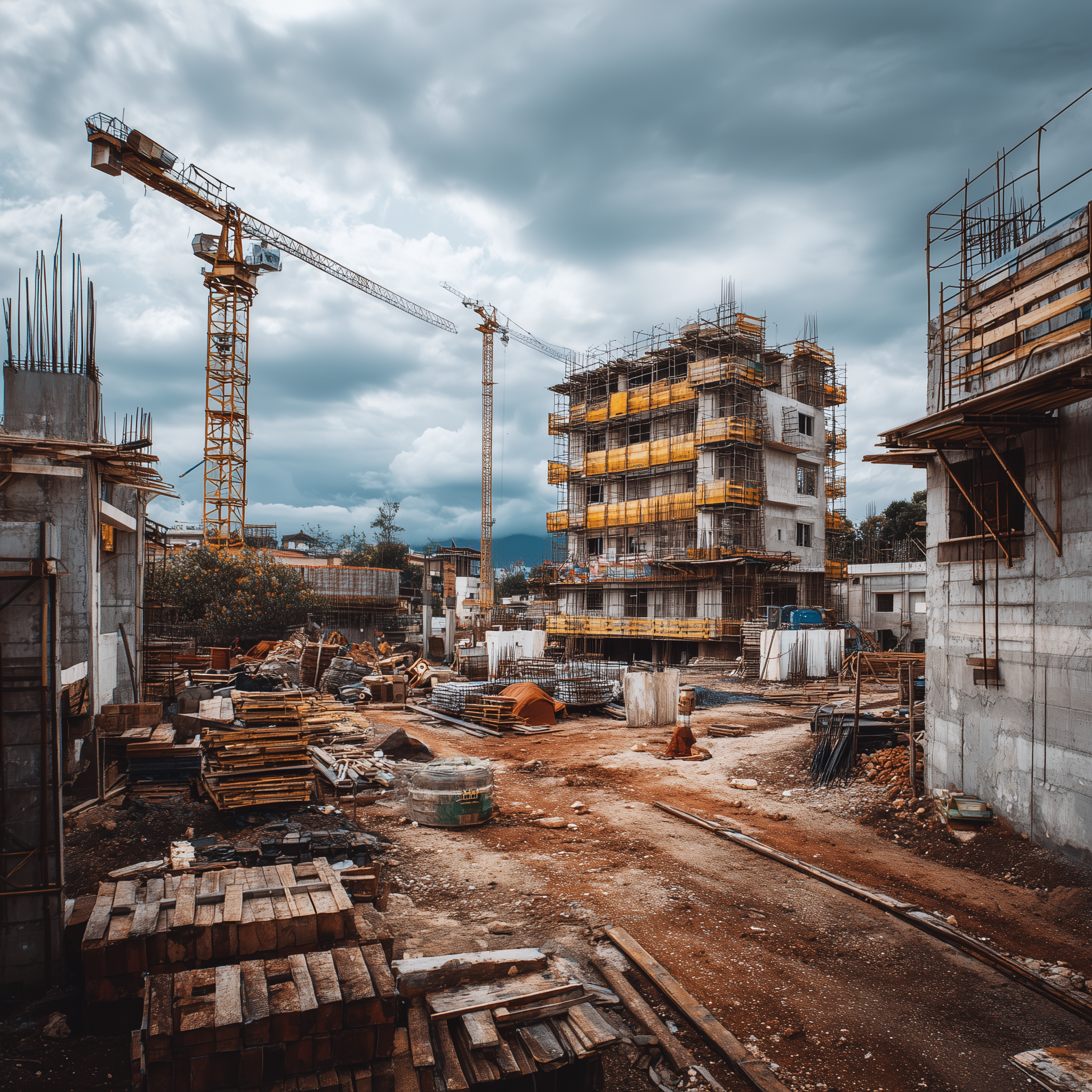
There is a moment in every project when the drawings leave the studio and enter the world. You can feel it. The paper becomes steel. The lines become lumber. The idea becomes labor. This is the point where you have to trust the team. You cannot be everywhere. You cannot decide everything. The building belongs to the people making it. Their craft is what completes the architecture.
On good projects, the communication is steady and calm. Problems rise early, get resolved quickly, and do not accumulate. People tell you the truth, even when it is inconvenient. Meetings feel like work, not conflict. There is a rhythm to the progress that is almost musical. A sense that everyone is moving in the same direction.
On difficult projects, the atmosphere feels different. Silence becomes a warning. Small issues hide larger ones. Blame moves faster than solutions. Drawings become shields instead of tools. You learn quickly that the emotional health of the team is as important as the technical skill. Buildings are physical artifacts of human relationships. You can feel it in the final work.
Letting go is not passive. It requires attention. It requires watching how the team interacts, not just what they produce. It requires knowing when to step in and when to step back. When to insist and when to adjust. When to protect the idea and when to let it evolve. The building teaches you this as it takes shape.
In the end, the architecture that stands is the architecture the team could build together. Not the perfect version you imagined in the studio, but the real version that emerged through shared effort. That version has a different kind of beauty. It carries the intelligence of many hands and minds. It holds the traces of collaboration.
A building becomes itself when you let it. The work is knowing how to guide that process without trying to own every part of it.
