How a Building Learns its Atmosphere
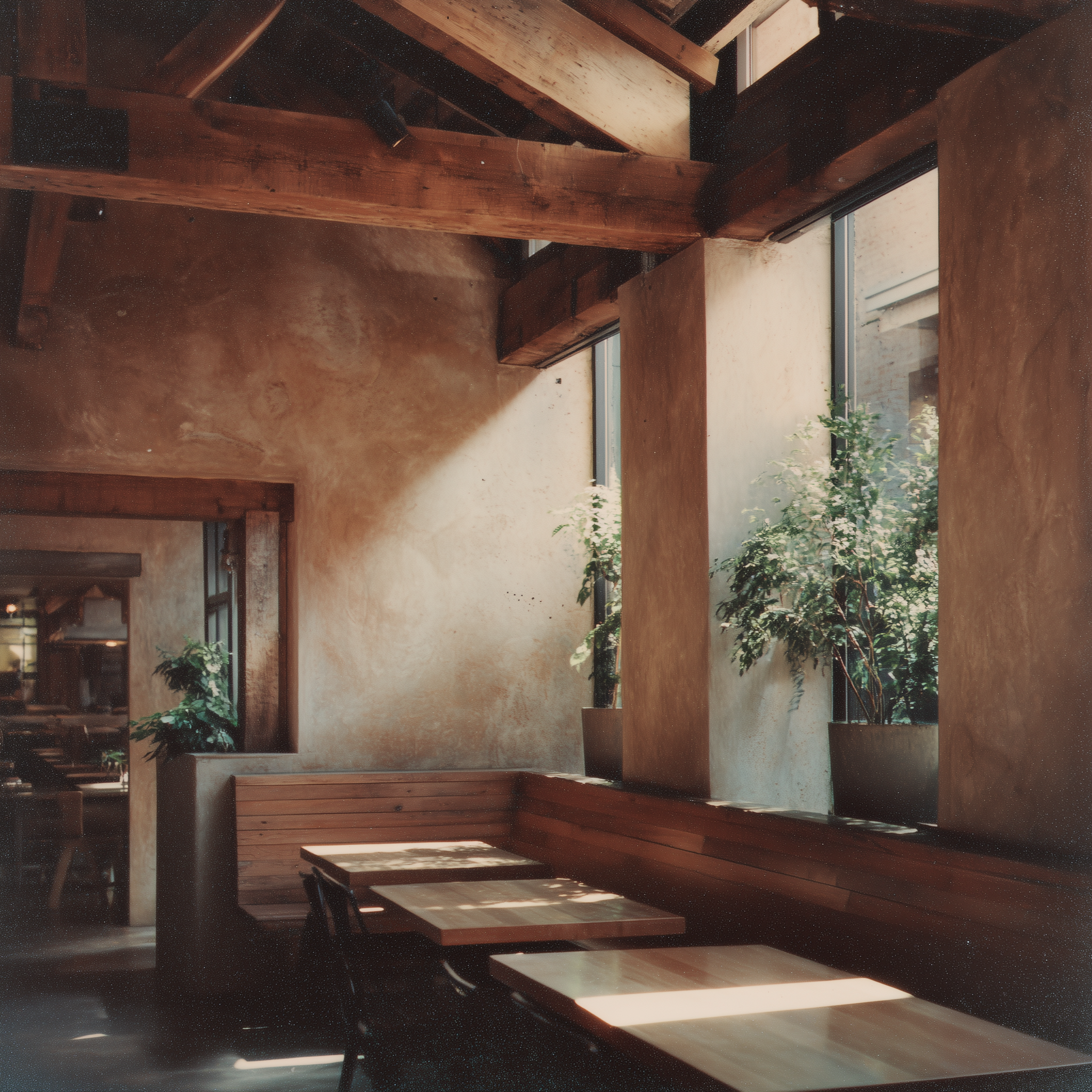
Buildings do not begin as forms. They begin as conditions. A shift in light, a certain quiet, the texture of a material in your hand. Most people imagine architecture starts with a shape and works inward, but the work is almost always the opposite. You begin with something small and atmospheric, then follow it outward until the building understands itself.
When architects design, we move between scales the way a reader moves between chapters, carrying details from one world into another. One moment we are thinking about regional weather patterns. The next, the way morning sun falls across a kitchen table. A window position affects a façade. A façade affects the interior. The interior alters the structure. The structure shapes the site. You learn to move through these layers quickly, because the atmosphere lives in the connections between them.
In Japan, where I trained, the work often starts from the inside. You begin with the feeling of a room, the weight of the air, the softness or hardness of light. You let materials and human scale guide the building outward. The smallest decision becomes the seed for the entire architecture. In the United States, the process often runs the other direction. Architects begin with the massing, the zoning envelope, the big moves. Only later do they refine down toward the sensory. Neither method is wrong, but they produce different kinds of places. A building learns different things depending on where you begin.
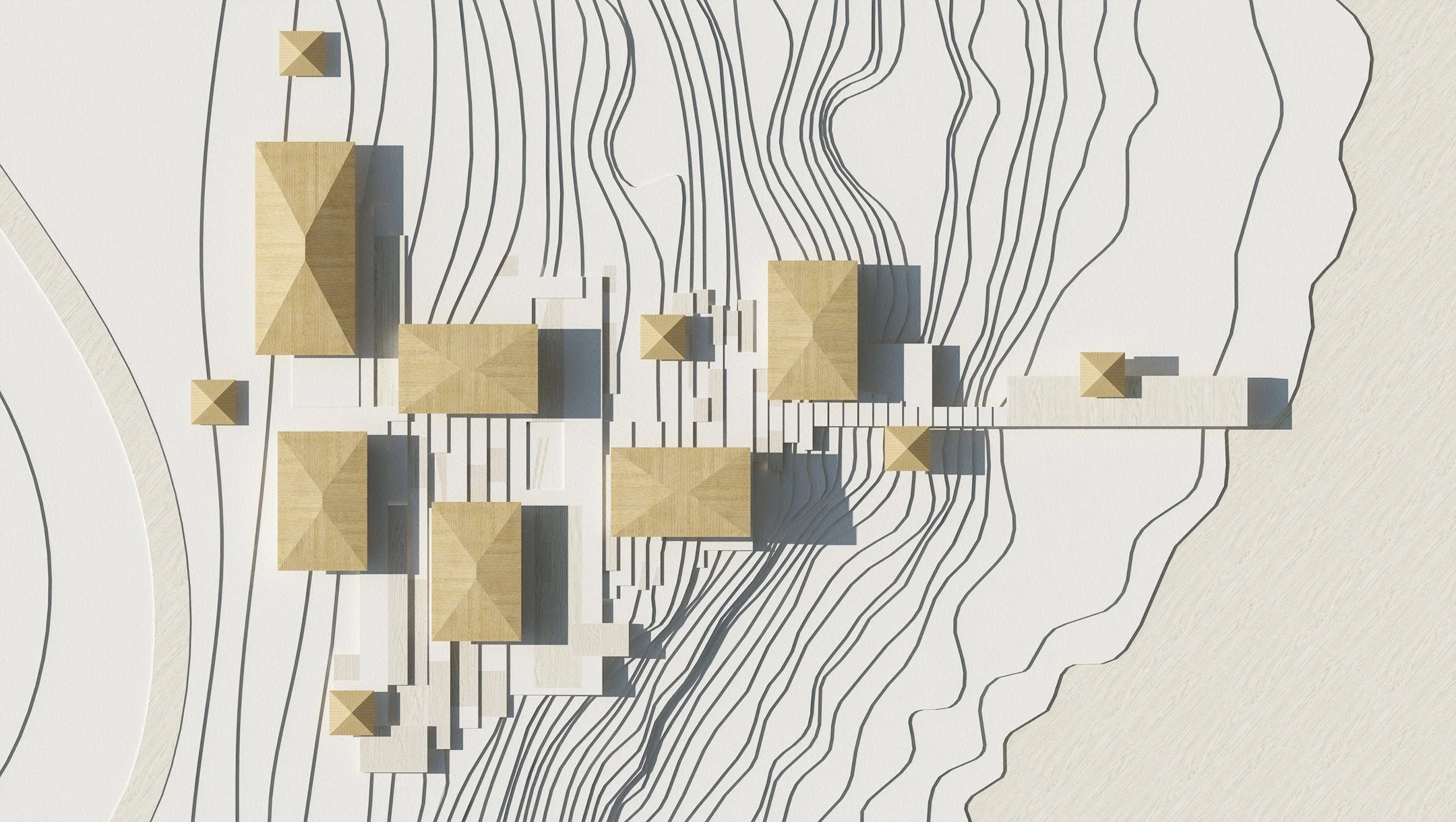
Our tools are not just representations. They are ways of thinking. A plan is not a diagram of rooms. It is a sketch of how people move and meet. A section reveals gravity, air, volume, and the quiet spaces between events. Elevations show the rhythm of shadows. Physical models uncover truths that drawings hide. VR and AR help us imagine how light fills a space before the structure exists. Even AI, in its early and imperfect way, lets us test moods and conditions at speeds that were impossible even a few years ago.
Atmosphere is built through these shifts between mediums. A sketch suggests an idea. A model challenges it. A mock-up on site confirms or disproves it. A design becomes clearer each time it moves through a new material. The building learns from every translation.
Design is also shaped by constraints. Codes, budgets, adjacencies, soil, fabrication limits, sequencing, contractor insight. These forces narrow the field of possibilities, and each narrowing sharpens the atmosphere. The building becomes itself not because we force it, but because the constraints reveal what the project wants to be. The atmosphere emerges through friction, not through purity.
Time is part of this learning. A building is never finished on opening day. Wood darkens. Concrete softens. Light changes with the seasons. The air inside carries traces of the people who use the space. Architects try to imagine this future. When we talk about a building learning its atmosphere, we are describing how it evolves in time, how it adapts, how the rooms breathe and shift with life. A building that learns to age well will feel more itself after ten years than it did on the first day.
Most of this process is invisible. You see the final building and assume the idea was always there. But clarity arrives gradually. We draw and redraw. We model and unmodel. We step back and return. We test, discard, refine, and discover. Atmosphere is something found, not declared.
What you do not see is the work behind the work. The countless decisions. The shifts between scales. The patience required to let the building teach you what it wants. Good architecture is not a single spark of inspiration. It is a continuous conversation with the site, the materials, the program, and the people who will eventually inhabit the space.
A building learns its atmosphere slowly. Through drawings, models, light studies, mock-ups, revisions, and the quiet intuition that grows from time spent looking closely. And when it finally understands itself, you can feel it the moment you walk inside.