Threshold Spaces
How outdoor rooms shape the feeling of home in the Pacific Northwest
Every home has its rooms, but the homes we love most always seem to have something more. They have places that sit on the edge of indoors and out. They have moments of transition where light shifts, where air moves differently, where the day feels close enough to touch. These are threshold spaces, and they quietly shape the way a home feels, especially in the Pacific Northwest.
Here, the seasons are long and unpredictable. Rain drifts in for weeks. Light comes in soft bands. Mornings are cool even in summer. A home feels larger and more generous when it has places that let you step outside without stepping all the way out. These spaces extend life into the edges of the house, turning small moments into something memorable.
1. The Front Porch
The front porch is the first threshold space most people encounter, though they often overlook its importance. A porch softens the shift between the street and the front door. It gives a home a sense of welcome. It gives you a place to pause after a long day, to linger with a morning coffee, to watch the neighborhood settle into evening.
But porches do something else too.
They create a gentle sense of belonging.
Cities like Portland and older neighborhoods in Kansas City still have a strong porch culture. People sit outside, wave to neighbors, watch the rhythm of the street, and feel connected without ever stepping fully into interaction. These porches create a feeling of community that is rare in modern life.
Seattle does not have as much of this tradition, but the homes that do have it feel different. They feel warmer. They feel more open to the world. A porch becomes a quiet bridge between the private interior and the life of the street, a place where you can be present without being exposed.
In the PNW, a front porch with deep eaves becomes an all-weather room. The roofline makes the space usable in rain and soft winter light. It protects the entry but also acts as an outdoor sitting room. It creates the feeling of a home that is part of a neighborhood, not sealed away from it.
2. The Backyard Outdoor Room
If the front porch looks outward, the backyard outdoor room looks inward. It becomes a private retreat, sheltered from the noise of the street and the shifting moods of the weather. Most people think of a backyard as a lawn or a deck. But in the PNW, what you really want is an outdoor room.
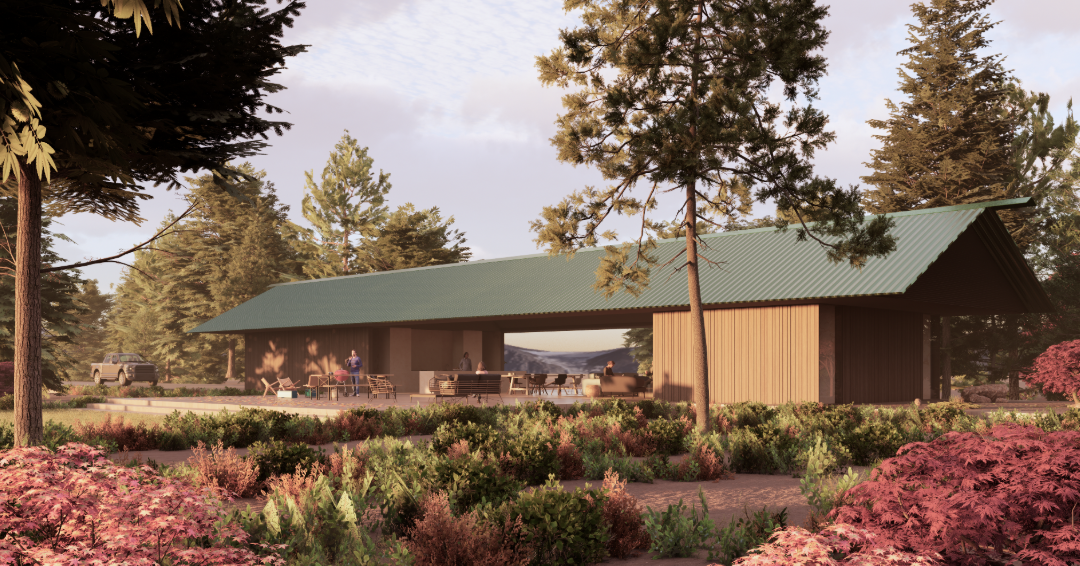
A covered porch that is open to the air but protected enough to use in every season. A place where you can drop down bug nets in the evening, where the sound of rain becomes a background rhythm, where the boundary between inside and outside disappears.
This space becomes an extension of the living room. It turns a modest home into a generous one. It holds late summer dinners and quiet mornings in spring. It becomes the room where the home breathes inward, a place where the day slows down and the weather becomes part of the backdrop rather than something to avoid.
It is one of the most valuable rooms a home can have, even though it has no walls.
3. The Rooftop Deck
A rooftop deck offers something entirely different. It gives you a higher perspective. Light becomes different up there. Views open in ways you do not expect. In dense neighborhoods, a rooftop deck becomes the quietest outdoor room in the house, lifted above noise and tucked into the sky.
Even in the PNW climate, a deck with enough shelter becomes an extension of daily life. Deep overhangs, wind breaks, or partial roof structures can make it usable far beyond the summer months. It becomes a place to read, to think, to step away. A small shift in elevation can change the entire feeling of the home.
4. The Solarium
A solarium is the most interior of the threshold spaces. It is a room of light, a room that gathers warmth, a room that holds the garden inside the home. It works beautifully in the Northwest because it creates a moment of summer during the cold months while still feeling connected to nature.
A solarium does not need to be large. Even a small one becomes a year-round retreat. It becomes a place for plants, for morning sun, for a feeling of openness when the weather outside feels heavy. It is a room that supports life in quiet ways.
5. Why Threshold Spaces Matter in the Pacific Northwest
The Pacific Northwest rewards people who learn to live with light, air, and rain rather than against them. Homes that feel tight or closed off can become heavy in winter. But homes with threshold spaces feel open, alive, and connected to the outdoors in every season.
Deep eaves create shelter.
Long rooflines create calm.
Covered outdoor rooms create flexibility.
These gestures extend the emotional footprint of a home.
6. A Long History of Outdoor Rooms
The idea of threshold spaces is not new. Cultures around the world have shaped their lives around these edges.
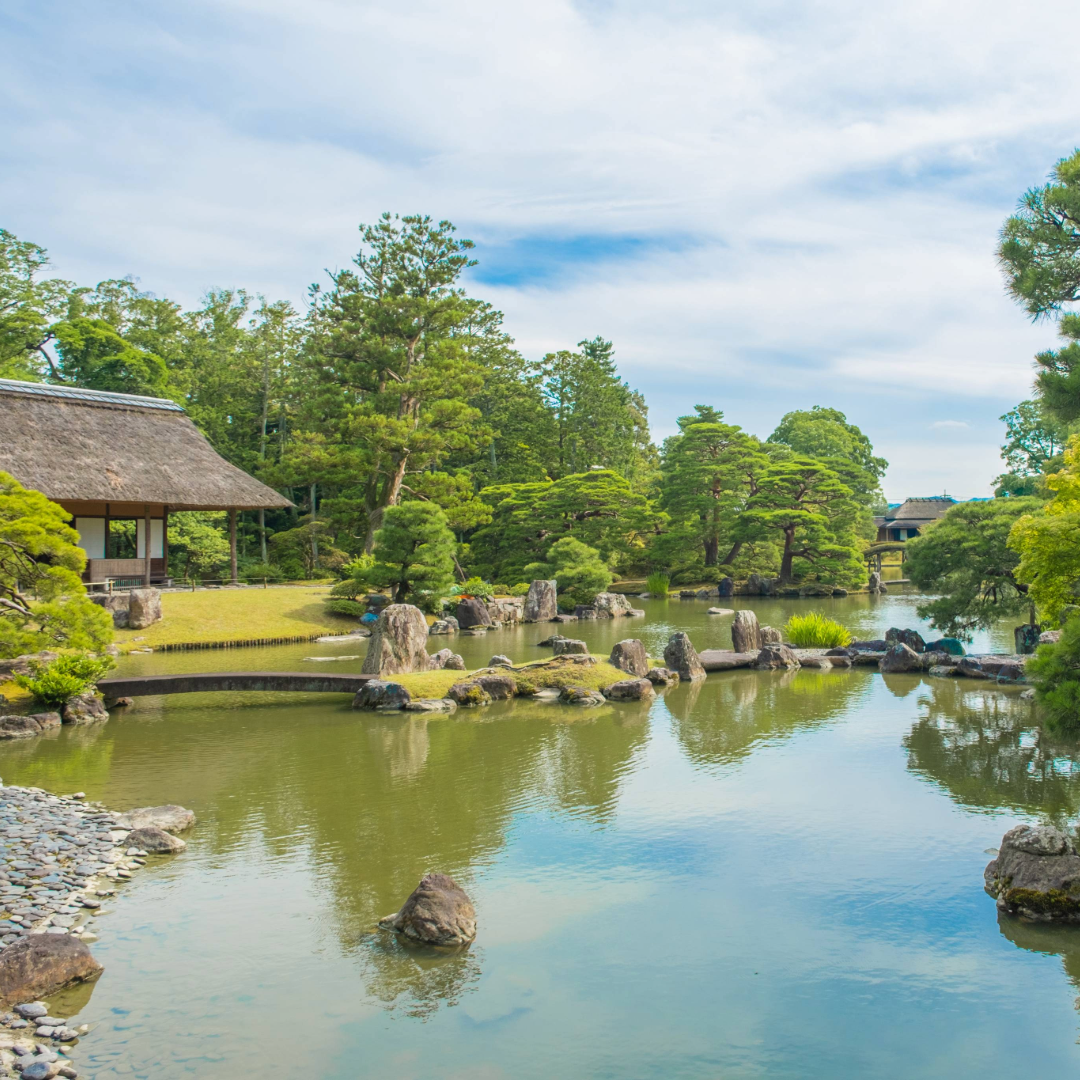
In Japan, the engawa acts as a wooden walkway that sits between the garden and the interior. It is a place to sit quietly and watch the world move. It softens the day.
In ancient Rome, the atrium brought sky into the center of the home. It allowed air and light to fall directly into domestic life.
In Paris, balconies create an almost continuous layer of outdoor rooms across the facades of the city. They are small, but they extend life outward and give rhythm to the architecture.
These spaces have lasted because they create something essential. They give homes a sense of expansion without size. They make ordinary days feel better. They hold light, air, and time in a simple way.
7. Threshold Spaces Make Homes Feel Larger and More Beautiful
When people talk about homes they love, they rarely talk about square footage. They talk about moments. They talk about sitting under a covered porch while the rain passes. They talk about having a quiet spot to read in the morning light. They talk about evenings on the rooftop as the sky changes color.
Threshold spaces give homes these moments.
They help a house feel generous without being large.
They make the everyday life of the home feel more connected to the world around it.
In the PNW, where weather shapes so much of how we live, these spaces are not luxuries. They are essential.
Closing Thought
A home becomes more than walls and rooms when it has edges that invite you to step outside and still feel held. In the Pacific Northwest, threshold spaces create some of the most memorable, useful, and beautiful moments a home can offer.
If you want help imagining how these spaces could transform your home, I’m here to talk.