Before You Design, Walk the Land
Before any drawing begins, take a slow walk of the land. Notice the light, the slope, and the quiet patterns that shape what a home can become.
A house doesn’t begin with drawings.
It doesn’t begin with a Pinterest board, or an inspiration folder, or even a conversation with your architect.
It begins with land.
Just the land. Quiet, irregular, sometimes soaked, sometimes stony, always watching.
In the Pacific Northwest, the land speaks first. Before you ever imagine materials or square footage, it has already begun to shape the project. Most people don’t hear it.
They walk a property and think:
Can we see the water from here?
Is there space for the garden?
Could we build something big enough for everyone to visit at once?
Those are good questions. But not the right ones, not yet.
Having grown up in Washington, I’ve learned this state holds the full range of possible sites.
On the west side, some are mossy and flat.
In the Cascades, some are steep and wind-stripped.
Each one teaches you something different.
The first lesson is always the shape of the ground.
It changes foundation strategy, stormwater calculations, construction access, insurance, even the legality of your driveway.
A flat meadow may look simple, until you realize it’s a seasonal floodplain, and the water table sits just beneath the surface, waiting for winter.
Before the sketches, before the vision, the land has already set the terms.
Then come the invisible rules:
Setbacks. Height restrictions. Tree protections. Critical areas. View corridors.
Shoreline rules that pull your house fifty feet inland.
Easements that shave thirty feet off the width of your buildable area.
Utility access or city requirements that quietly add new line items to your budget.
A young couple once sent me a listing for a wooded lot they loved.
“Plenty of space,” they said. “Good price.”
I opened the parcel viewer and immediately saw why.
An access easement, and the required setbacks from both the easement and the property line, left only a sliver of buildable land, barely enough for a picnic table, much less a house.
Nobody had told them. The listing didn’t mention it.
But the rules were there.
The land already knew.
Even the light has something to say.
We live under a sideways sky.
In the winter, the sun here is slanted, gray-filtered, brief.
If you ignore its movement, your house will feel dark no matter how large your windows are.
I stand on lots and watch how morning sun threads through trees.
How clouds soften the air.
How the southern exposure hits a ridge and disappears by noon.
A good house holds the light during the cold months, warming its inhabitants through south-facing glass, while large eaves protect those same windows in summer.
All of this is the visible, measurable part of design.
But there’s another layer you only start to hear after years of working across different projects:
The land remembers.
It remembers how snow drifts through that saddle.
How the wind bends the trees a little farther each spring.
It remembers the neighbor who never built, because the well went dry after 120 feet.
It remembers that the perfect view from the edge comes at the cost of erosion no one wants to pay for.
You can fight the land, and it’ll fight back. Not all at once, but slowly.
Through pumps that fail.
Decks that tilt.
Rooms that stay cold no matter how many vents you add.
But if you listen early, the land will guide you toward a house that belongs.
This is why I walk the land before I design anything.
Before planning.
Before fees.
Before I say yes.
Because a good house doesn’t conquer its site.
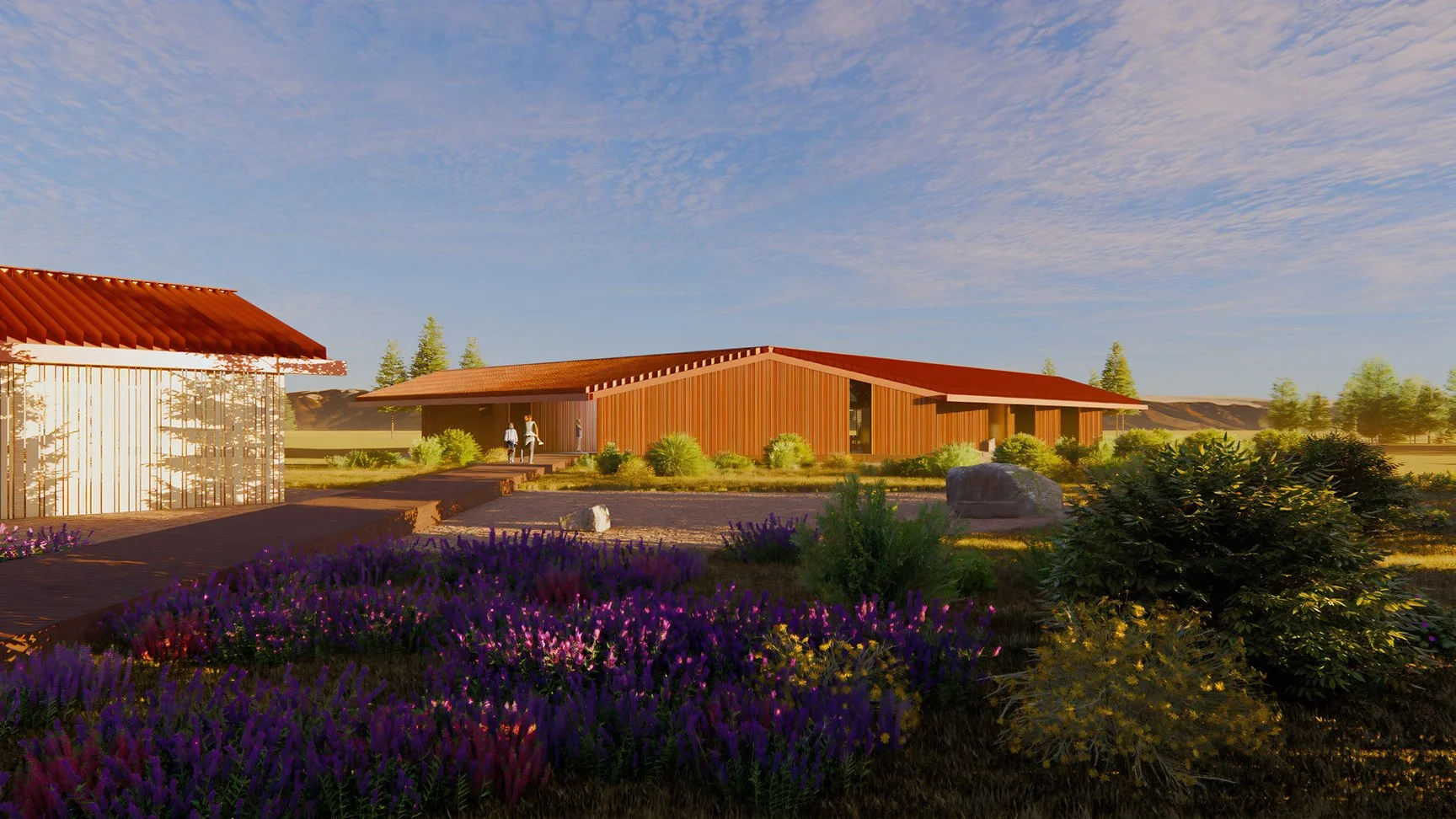
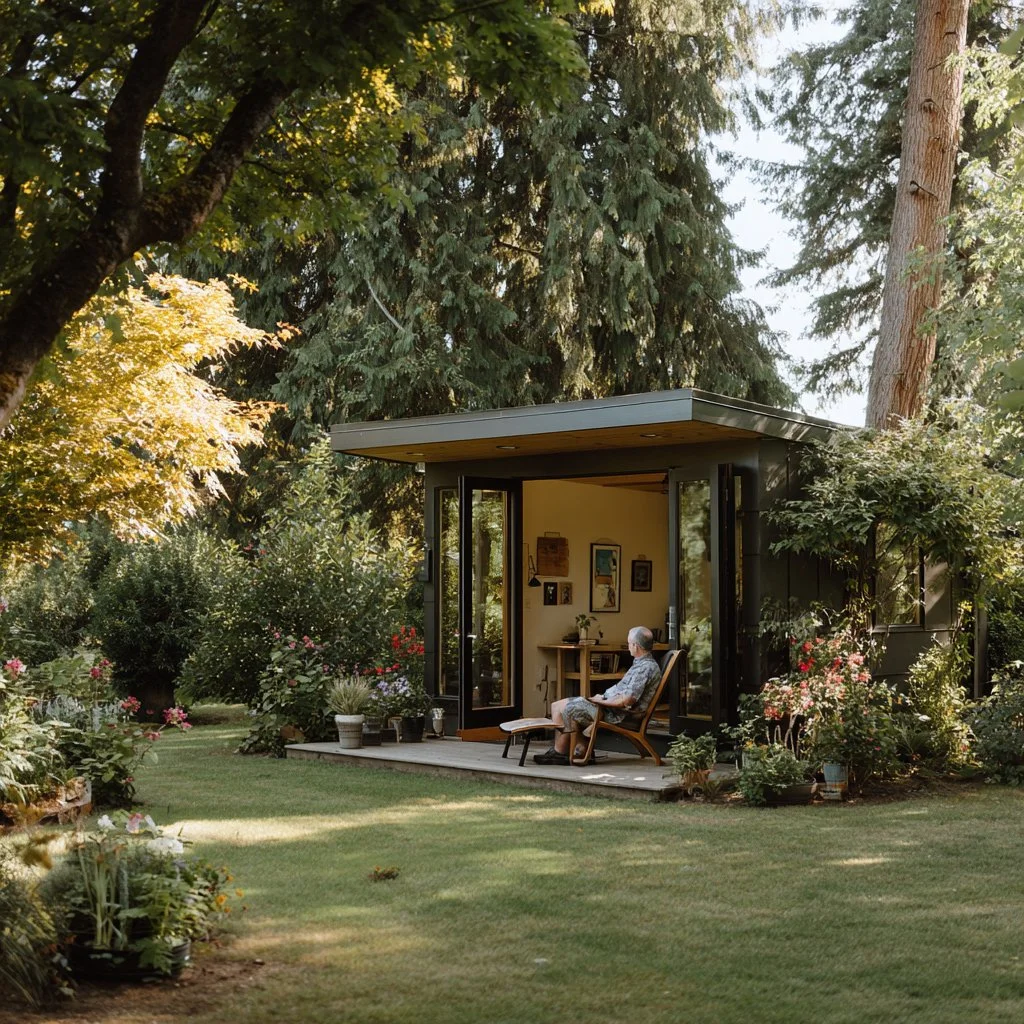
It fits, quietly, precisely, like it had always been waiting there.
And if you’re standing on a piece of land right now, wondering what’s possible, that’s the question I would start with:
What does this place want to hold?
If you want to keep listening, I’ve written a guide that walks through the rest:
budgets, selecting the right team, thinking through the design process, and how to make the decisions that make a house feel inevitable, and alive.
It starts with land.
But it doesn’t end there.