Moss, Fog, & Light
The Pacific Northwest has a quiet atmosphere that settles into everything. Moss softens the edges of roofs and walls. Fog drifts across open fields and blurs the distance. Light moves slowly, filtering through clouds in a way that makes shadows feel hesitant. Designing here means paying attention to these small, persistent qualities. They may not announce themselves, but they shape how buildings want to live in this region.
When I think about architecture in this climate, I start with light. Not dramatic light, but the soft, diffused brightness that arrives on most days. It flattens contrasts and spreads evenly across surfaces. You notice it most in winter, when the sky becomes a kind of luminous ceiling. In this light, materials behave differently. Wood glows quietly. Concrete reflects just enough to deepen its texture. Even simple forms take on a certain calm. This gentle brightness influences where openings belong, how rooms collect daylight, and how spaces feel over time.
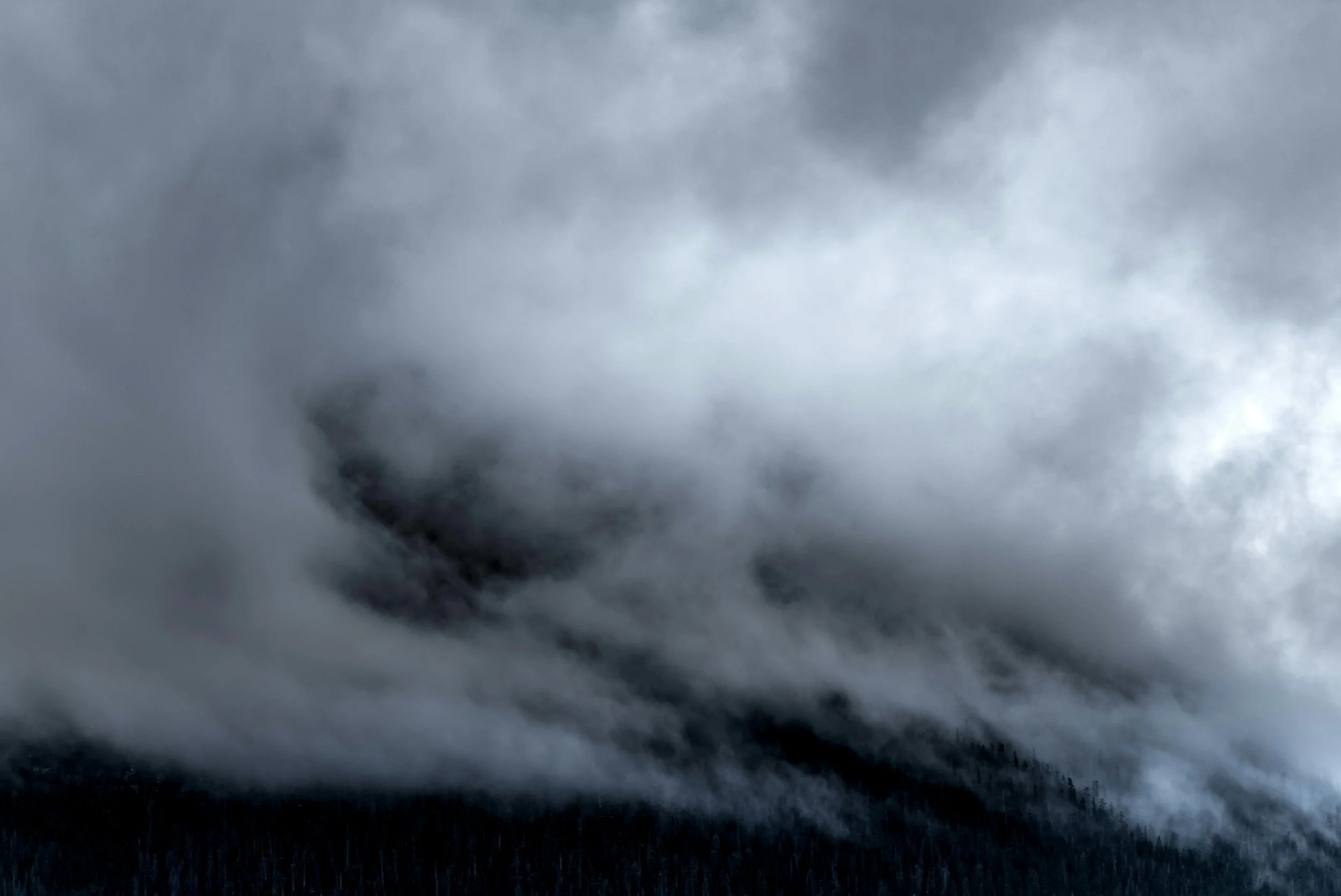
Fog like this pulls the landscape inward. Edges dissolve, distances collapse, and the mountain becomes a single shifting mass. This is the atmosphere that defines so much of our region.
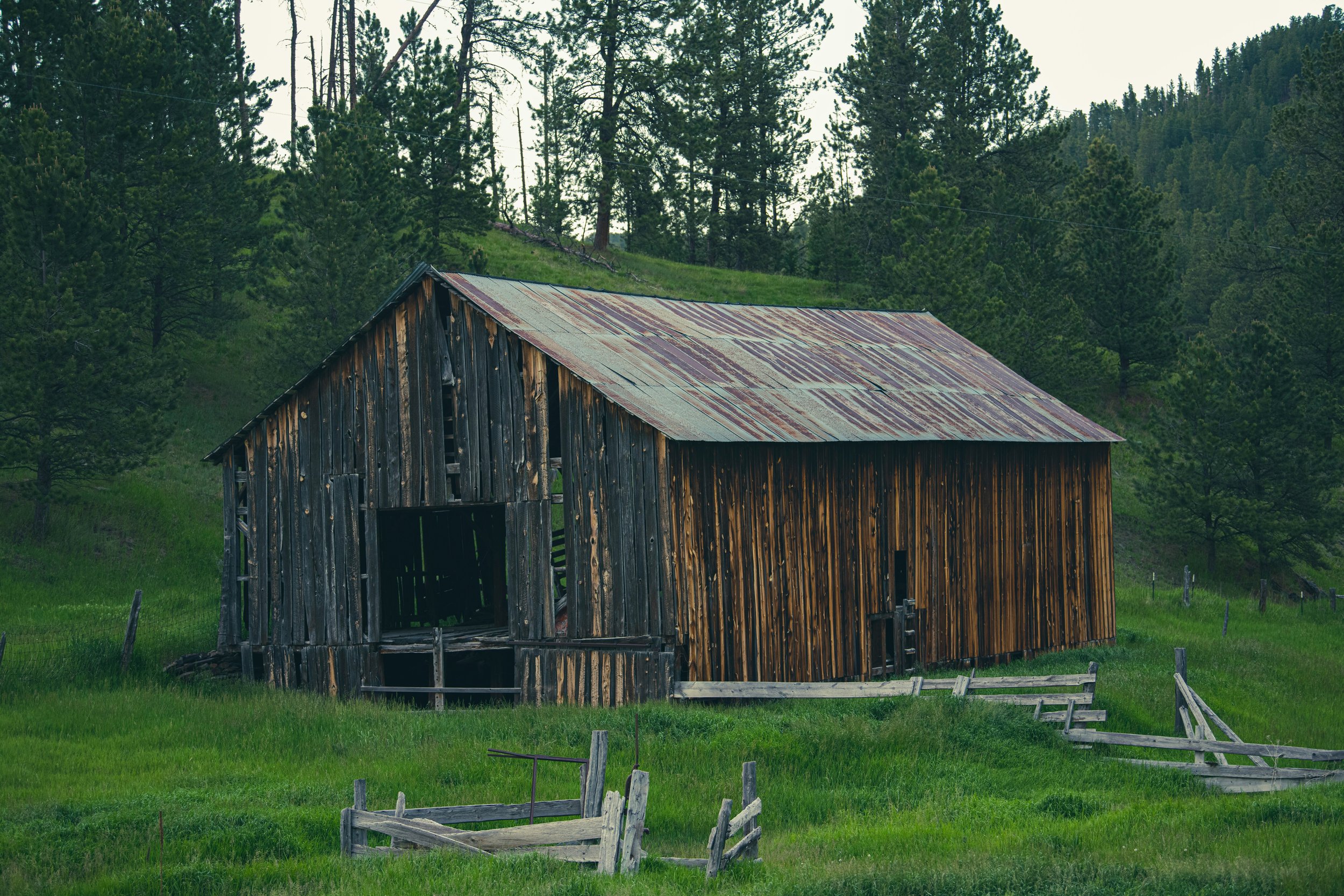
A simple timber barn can become one of the most profound teachers of form. Nothing extra, nothing decorative. Just time, weather, and gravity shaping a structure that still stands.
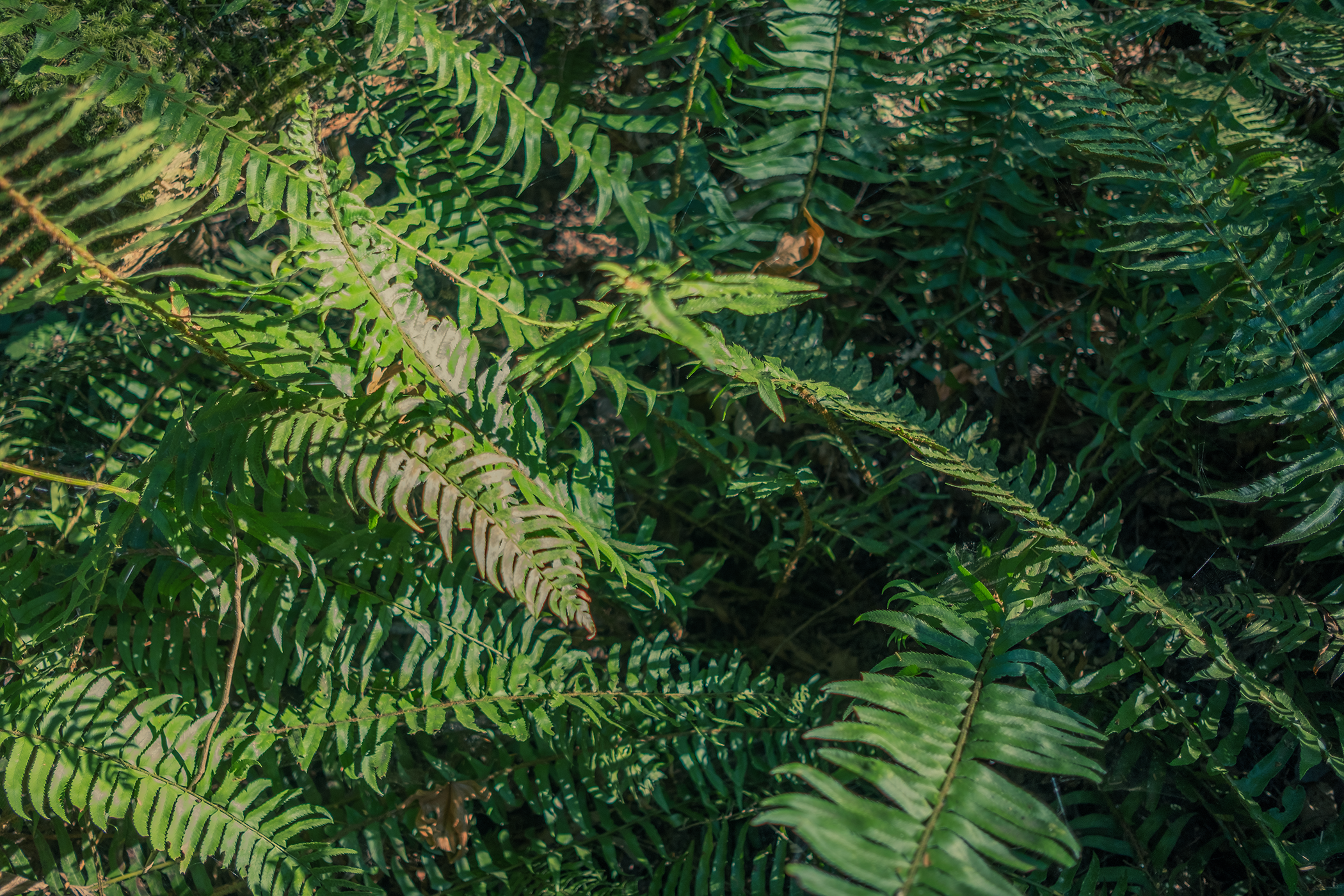
Then there is moss. It appears wherever water lingers. On low walls. On forgotten steps. In the shadowed parts of roofs. Moss is not just a plant here. It is a sign of how the climate works. It reminds me that moisture is constant, that shade has weight, that surfaces absorb and release water in slow cycles. Designing in this region means accepting that materials will change. Wood will soften in tone. Metal will dull. Concrete will darken after every storm and lighten again as it dries. Weathering becomes part of the expression, not something to hide.
Fog is another teacher. It changes scale. A distant tree line draws close. Edges blur. Buildings lose their outlines. When the world softens like this, forms that are too rigid or too loud feel out of place. Simple rooflines, modest proportions and clear silhouettes seem to belong more naturally. Fog encourages restraint. It asks the architecture to sit quietly and let the atmosphere speak.
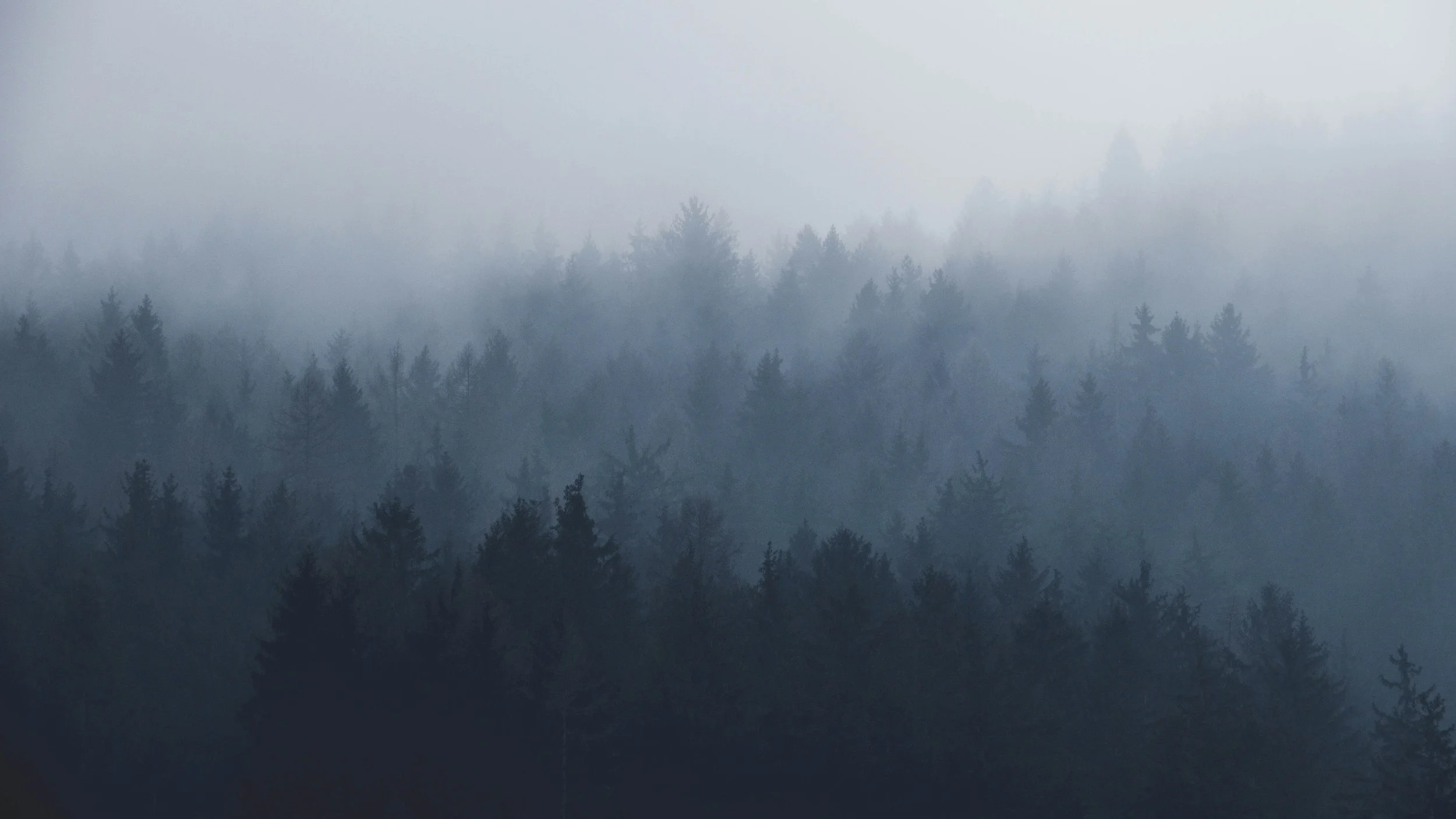
The forest becomes an abstract field under fog. What is near and what is far trade places. This is the texture of the PNW, a soft veil that changes the world one moment at a time.
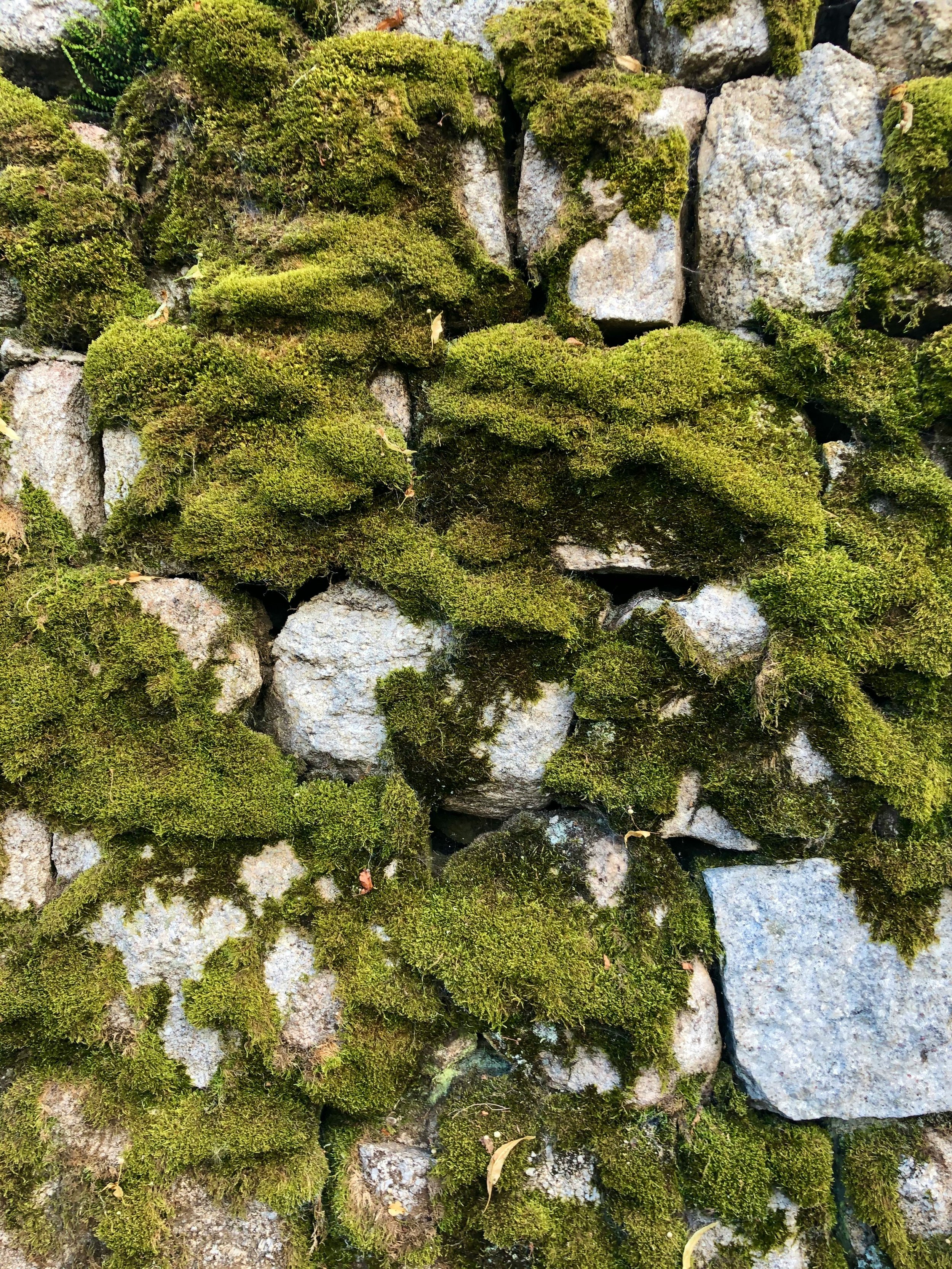
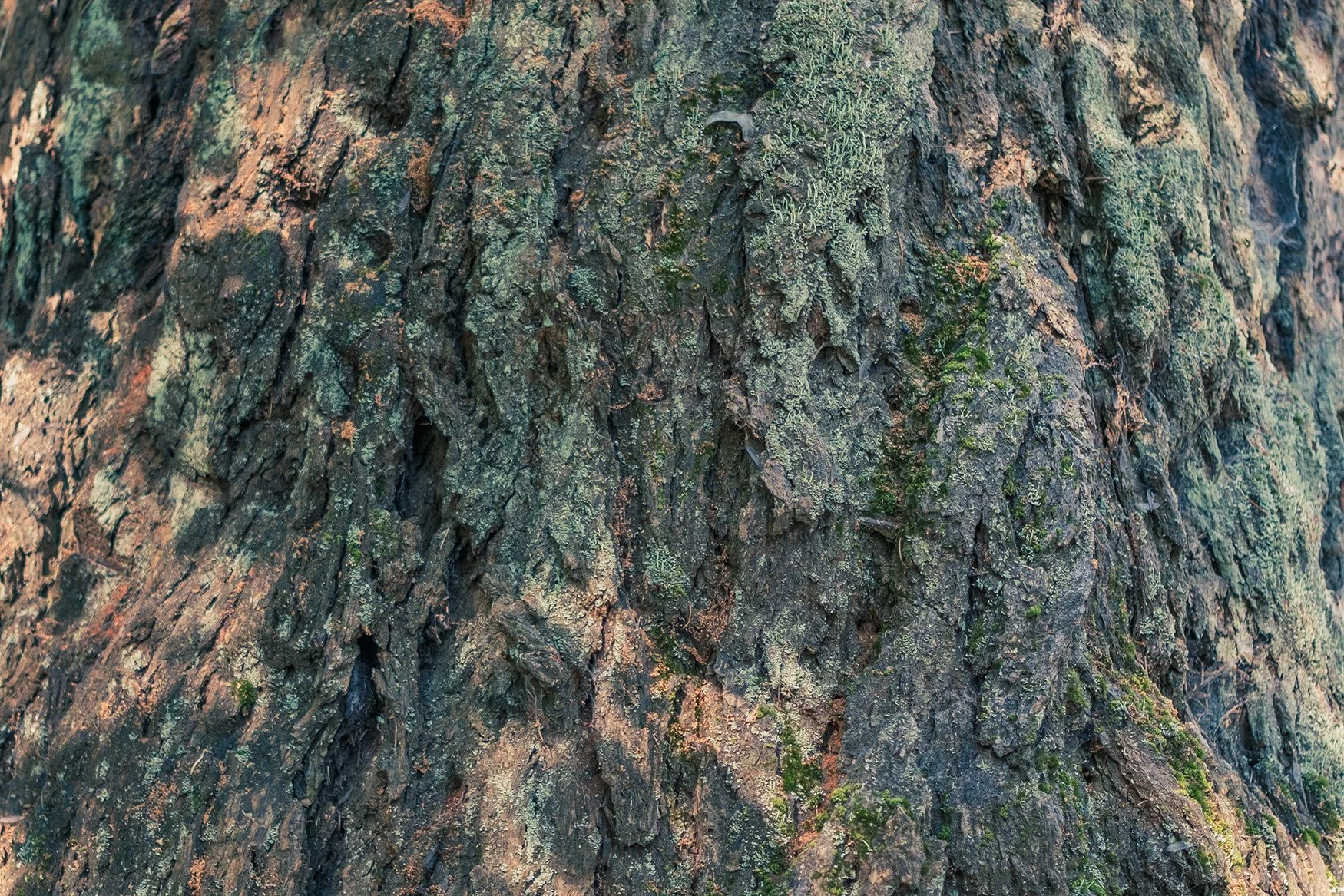
Nothing captures this region more honestly than moss crawling across stone. It shows you how the land holds water, how it clings to texture, and how deeply time settles into the surface of things.
Water shapes movement. It collects along paths, gathers at the base of slopes, and drips steadily from eaves during long rains. The way water behaves becomes part of the design vocabulary. Overhangs matter. Drainage matters. The transition between exterior and interior becomes a place of negotiation. Covered thresholds, porches and sheltered edges are not additions. They are essential parts of living in this environment. They make buildings feel generous during storms and provide places where the outside can be experienced without discomfort.
When I think about the Pacific Northwest, I think about time. Not a dramatic sense of time, but a slow, steady one. Materials absorb time here. Surfaces record weather. Seasons imprint themselves on buildings in subtle ways. Designing with this in mind leads to forms that accept change. They do not try to remain untouched. They allow the climate to leave a trace.
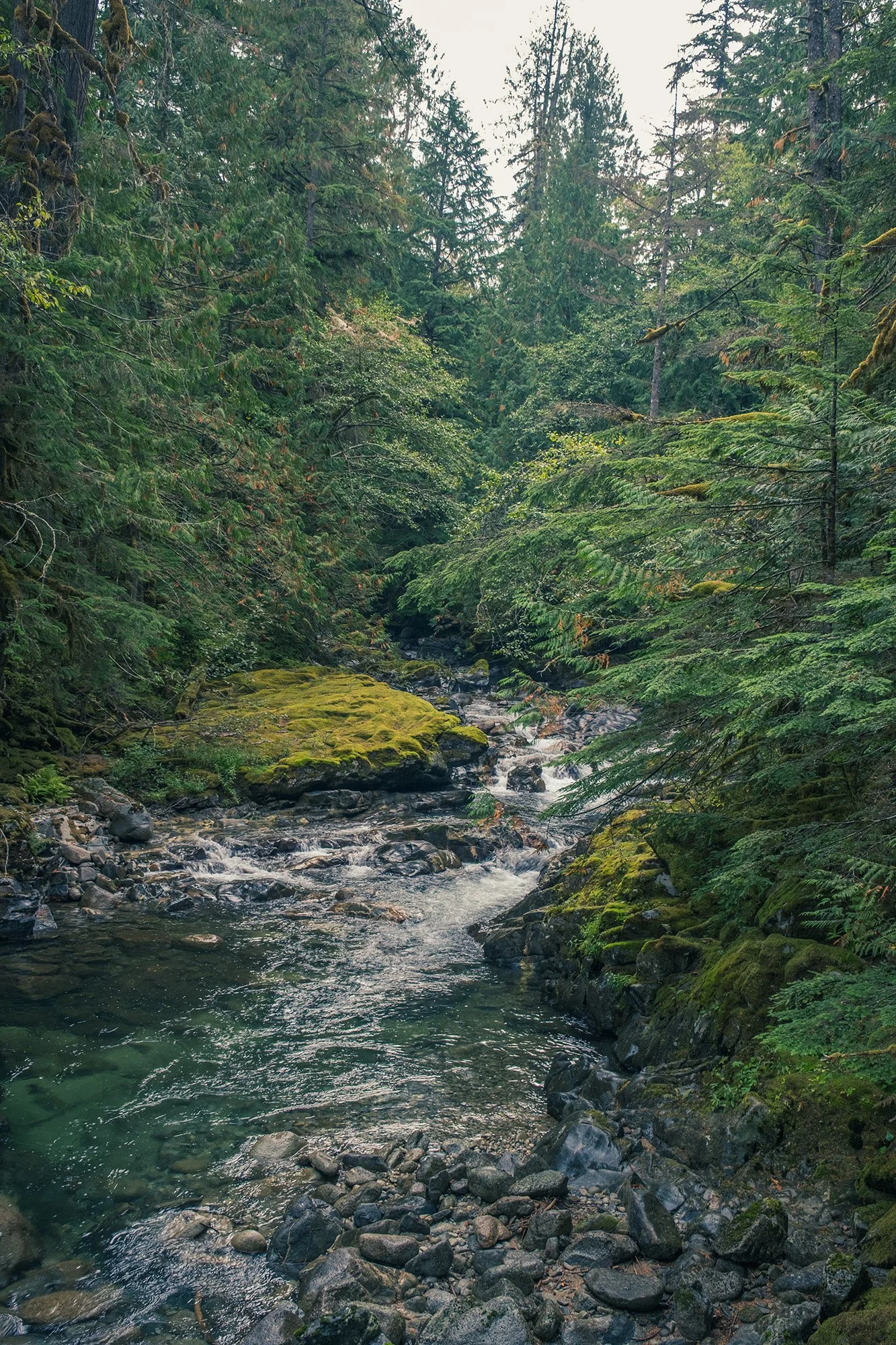
A river like this teaches you how the land thinks. The moss absorbs what the forest cannot say outright, and the water moves with a calm insistence. This is the Pacific Northwest at its most honest, shaping every space we build whether we see it or not.
All of this shapes my sense of what architecture can be in this place. Not monumental, but rooted. Not loud, but attentive. When light, fog and moss become part of the design rather than obstacles to it, the building starts to feel like it belongs to the region. It settles into the landscape the way stones settle into a riverbed, slowly, almost imperceptibly.
Designing in this climate is a study in patience. It asks for stillness, observation and a willingness to let the environment guide the work. And when it does, the architecture feels calm, natural and quietly alive.