The Practice of Looking
I take a lot of photographs that do not look like architecture. A strip of moss along a retaining wall. A quiet street in Snoqualmie after rain. A faded storefront in a small town. These moments feel minor, but they are the beginning of my design process. They slow me down and help me listen to a place before anything takes form.
When I walk a site, I try not to think too hard. I move slowly, letting my eyes adjust to whatever the land wants to reveal. The grade of the soil, the way light pools under trees, the sound of traffic drifting from far away, the location of services. Nothing dramatic. Most of it feels ordinary. But these quiet observations become the foundation of how I understand a project. Places communicate in subtle ways, and I try to give them enough time to do it.
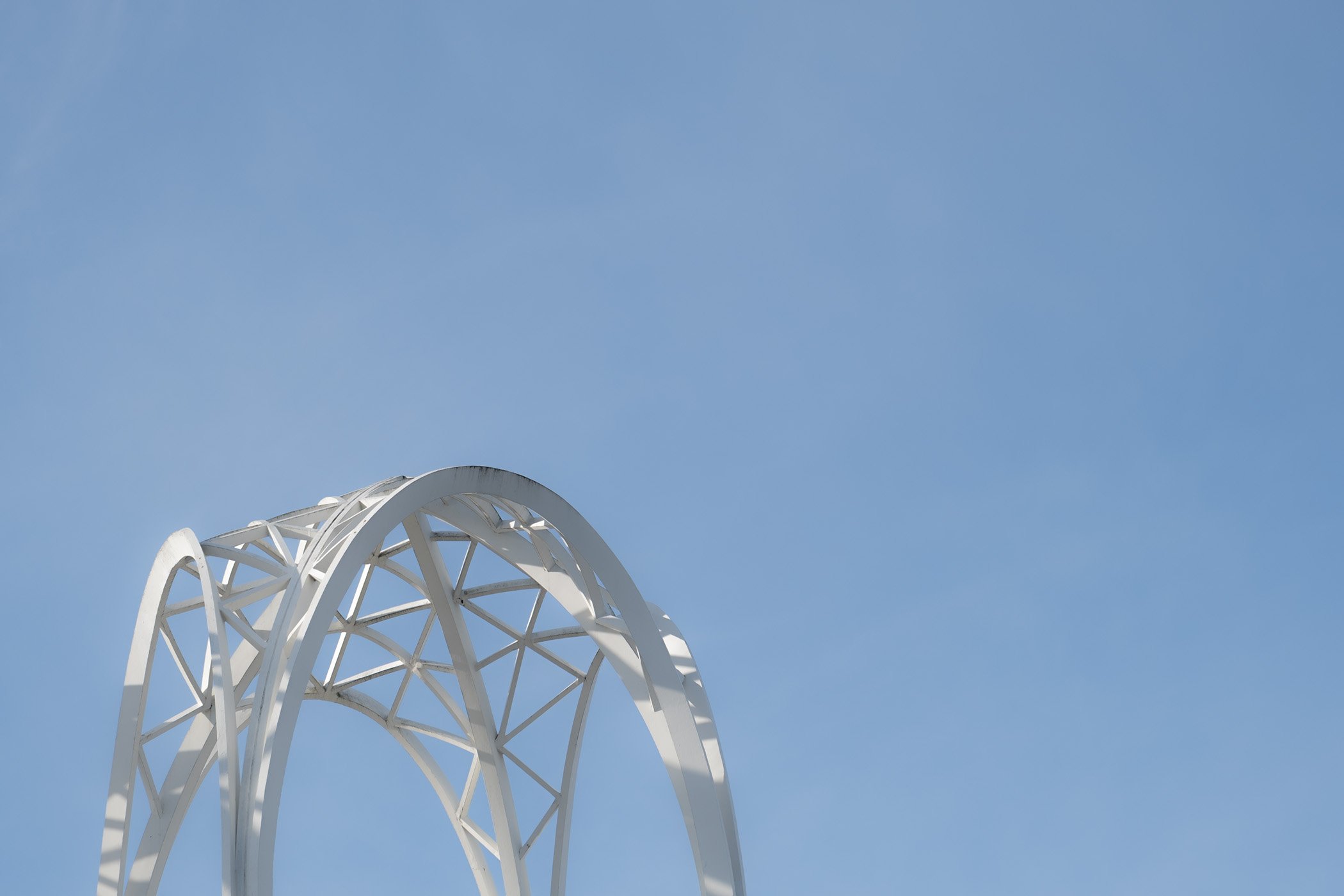
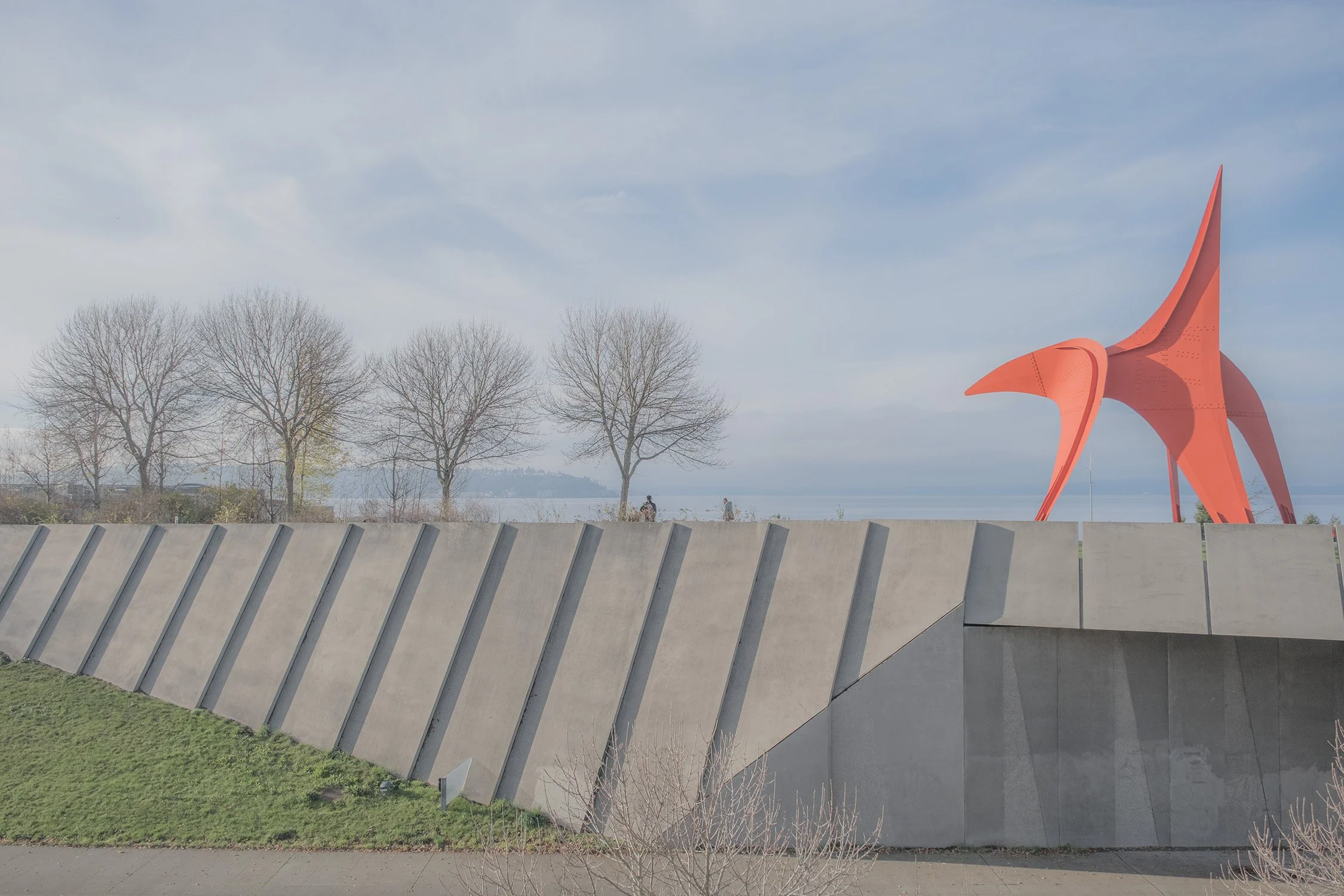
Photography helps with that. The camera interrupts my pace just enough to focus my attention. A photo is a small pause. It lets me register details that would vanish if I walked too quickly. In the Pacific Northwest, this kind of slowness feels natural. Light is soft. Edges blur. Surfaces hold moisture for hours. Through the lens, these atmospheric qualities become clearer, and I start to understand how a building might belong to this climate instead of resisting it.
Every site carries some trace of what came before. Sometimes it is obvious. Sometimes it requires looking through maps or archives. A former orchard. A logging spur. A small industrial yard. These histories are not instructions, but they influence how I think about form and placement. I try to approach each project as part of a longer story, one the land has been telling for decades.
My first design meetings often begin with these kinds of conversations. We talk about the place itself before discussing the more practical constraints like zoning, utilities or easements. The technical limits matter, but they carry more meaning when paired with the physical and historical character of the site. The intuitive and the analytical belong together. One shapes the other.
Over time, the photographs I take have formed a kind of personal archive. Not a catalog. More like a trail of small memories. Fog settling over a field. A metal shed aging under constant rain. Cedar planks shifting from warm brown to silver. When I look through these images, I’m reminded that architecture in this region is shaped as much by atmosphere and weather as by idea or program.
The photos keep me attentive to how materials behave. Wood swells. Concrete darkens. Metal softens in tone. Nothing stays still. Buildings in the Pacific Northwest are always in quiet dialogue with climate, and photography helps me stay aware of that dialogue.
I keep taking these photographs because they teach me how to see. They remind me that architecture begins with walking, looking and noticing small things that most people overlook. A site will often hint at where structure wants to rest, where space wants to open and how the building should meet the ground. These hints are subtle, and they disappear if I move too fast.
Listening is not a metaphor for me. It is an active practice. The camera is part of that practice. It helps me pay attention to the quiet intelligence of land, light and time. And almost every project I begin can be traced back to a moment when something small caught my eye and asked me to stop.