What a Renovation Can Reveal
How to understand the possibilities inside an existing home
Every renovation begins with a simple question:
Can this home become something more than it is now.
Some homes have obvious potential.
Some hide it quietly.
And some require a different kind of thinking, where the right change can unlock the feeling of a completely new home without starting over.
In the Pacific Northwest, renovations often come down to light, structure, connection to the outdoors, and the ability to reorganize the way a home supports daily life. What I look for in a renovation depends on the type of project, the age of the home, and the way people imagine living inside it.
1. Basement Renovations
Basements in the PNW can feel dark or disconnected, but they also hold the most untapped potential. When I look at a basement, I search for three things:
Light.
Is there a way to introduce better daylight with larger window wells or new openings.
Height.
Is the ceiling tall enough to feel comfortable once we finish the space.
Moisture and structure.
Are there water issues or structural elements that need to be resolved before anything else.
Good basements become more than storage. They become family rooms, quiet studios, small libraries, guest suites, or a place to open up toward the garden. The best ones feel like part of the home, not an afterthought.
2. Adding a Level
One of the most transformative renovations is adding a second story. This is where I look closely at:
Structure.
Can the existing foundation and walls support new loads.
Stair placement.
Is there a way to add a stair that feels natural and does not consume the heart of the house.
Roofline.
How the new level meets the sky matters as much as the rooms inside it.
A well-designed upper level can turn a small house into a generous one, adding bedrooms, views, and a sense of openness. In many older Seattle homes, adding a level is the clearest way to gain space without expanding the footprint.
3. Rear Additions
When people outgrow their home, the natural instinct is to push outward. Rear additions are common because they preserve the street presence while expanding the life of the home toward the backyard.
What I look for:
Flow.
Will the new space connect naturally to the existing layout.
Light and orientation.
Can we open the home toward the garden in a way that brings in more daylight.
Roof form.
A simple roof extension or a light-filled volume can change the entire character of the home.
The best rear additions feel like the house was always meant to be this way. They turn the backyard into part of the living experience rather than something that sits behind a sliding door.
4. Kitchen and Bathroom Renovations
These are the most common renovations, but also the ones with the greatest impact on daily life.
When I look at kitchens and bathrooms, I look at:
Circulation.
Does the space support how people actually move.
Light.
Is there an opportunity to bring in morning sun or connect to a small terrace or garden.
Proportions.
Are the rooms shaped in a way that feels calm and intuitive.
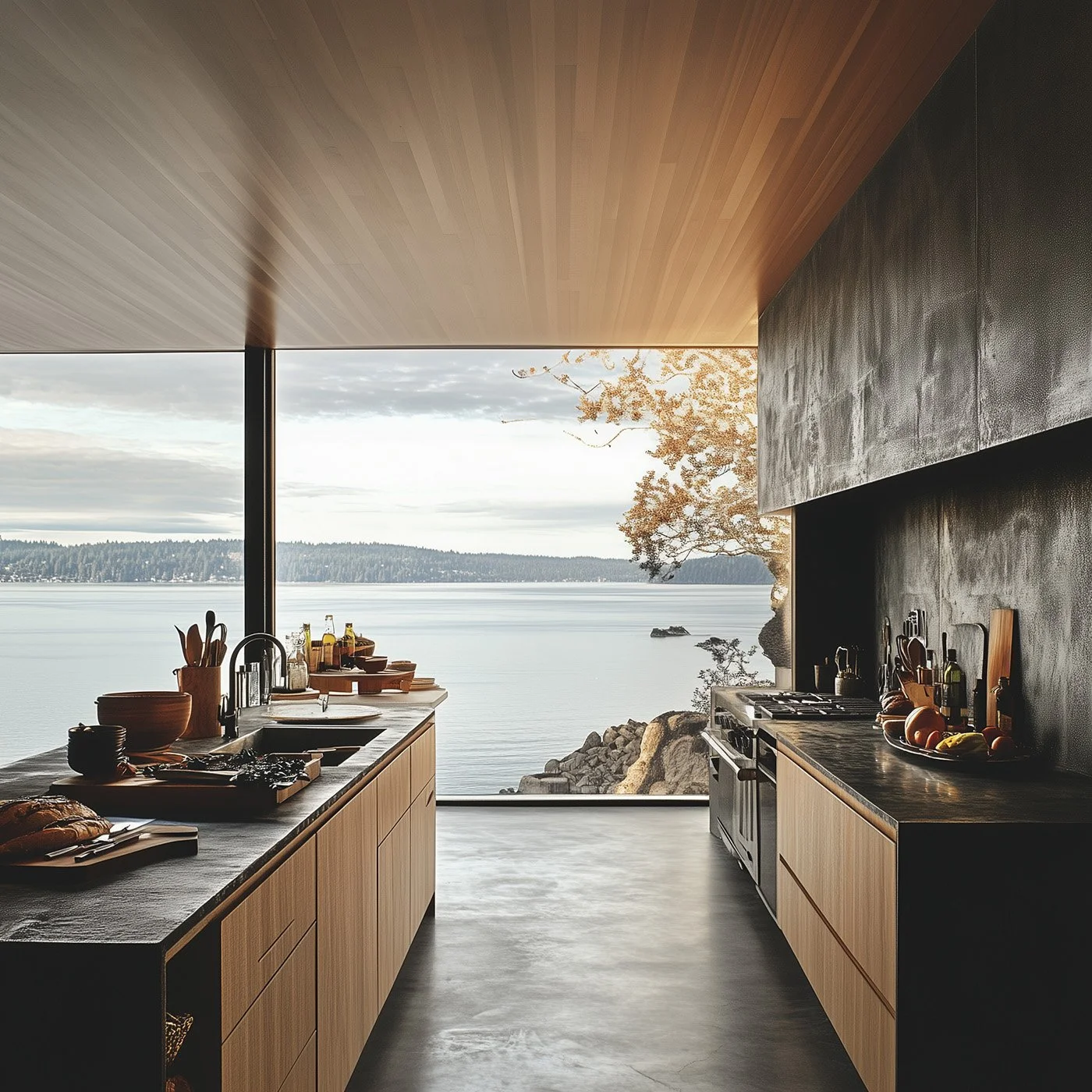
Kitchens, especially, can transform a home when they open toward living and dining areas instead of hiding behind walls. Small changes can create a sense of clarity and openness.
5. Creating an Outdoor Room
In the PNW, adding a covered outdoor room can be as transformative as adding square footage. This kind of renovation often requires the least structural work and delivers the most emotional impact.
I look at:
Eaves.
Can we extend the roof enough to create shelter.
Orientation.
Where is the best place to catch evening light or avoid winter winds.
Connection.
Will the indoor spaces flow naturally into this new outdoor room.
A covered porch or terrace can make a home feel larger without expanding its footprint. It becomes a threshold space that supports life in every season.
6. The Role of the Structural Engineer
Almost every meaningful renovation eventually turns toward structure. Walls need to open. Rooflines need to extend. Loads need to shift. Even small changes can set off a quiet chain reaction inside the frame of the house.
A structural engineer becomes essential for three reasons:
Safety.
Renovations must respect the reality of the building, not just the idea of it.
Possibility.
Engineers often unlock opportunities that seem impossible at first glance.
Clarity.
Knowing what the structure can support helps guide design decisions early, before ideas become expensive.
The collaboration between architect and engineer is what makes a renovation feel stable, intentional, and ready for future decades. It is one of the hidden parts of the process, but it shapes everything.
What I Look for Across All Renovations
Even though each renovation type has its own character, there are a few things I pay attention to in every project:
Light.
The quality of light shapes everything.
Structure.
What is realistic. What is safe. What can be opened.
Function.
How people move through the home and where life naturally gathers.
Connection to outdoors.
Every home feels better when it opens to the world in the right way.
Calm.
A good renovation does not feel complicated. It feels like the home finally makes sense.
A Final Thought
A renovation isn’t only about gaining space. It is about gaining clarity. It is about finding the version of the home that was hidden inside the old one. When done well, the house feels new without losing its memory.